Rapid Prototyping & Sampling
Obtain valve samples for assembly, pressure testing or customer demonstrations without waiting for expensive molds. From single-piece prototypes to small-batch trial production, we help you quickly verify performance and reduce development risks during the design stage, and smoothly transition to mass production for your project or wholesale distribution.
Traditional Casting vs. Rapid Prototyping
Lead Time: 60%⬇
The biggest hurdle when developing new valves or customizing modified models is the high mold cost and long delivery cycle. With our Rapid Prototyping and Sampling Service you can get functional samples for assembly, pressure testing and flow verification avoiding high mold costs. This allows for seamless shifts from single-piece verification to small-batch prototyping and then to subsequent mass production and wholesale supply.
Use Cases: New design verification | Alternative materials testing | Customer demo samples | Bidding coordination
Super-Fast Delivery Time
Normal samples in 5-7 working days, urgent orders can be expedited to 72 hours
No Mold Cost
Using CNC machining, 3D printed sand molds or direct metal printing, with zero mold-making costs.
Full-Function Testing
Ensure that the sample can withstand the rated pressure (up to 2500 Class), temperature and corrosive environment tests.
No Structural Restrictions
Any valve body structure (three-sealed eccentric butterfly valve, fully welded ball valve, etc.) can be precisely manufactured.
Material Coverage
Stainless steel, duplex steel, Hastelloy alloy, copper alloy, engineering plastics, etc., along with material certificates.
Smooth Transition
After verifying the prototype, you can continue the collaboration with our casting/forging + machining mass production line without needing to switch to another manufacturer.
Technical Capabilities and Spec Sheets
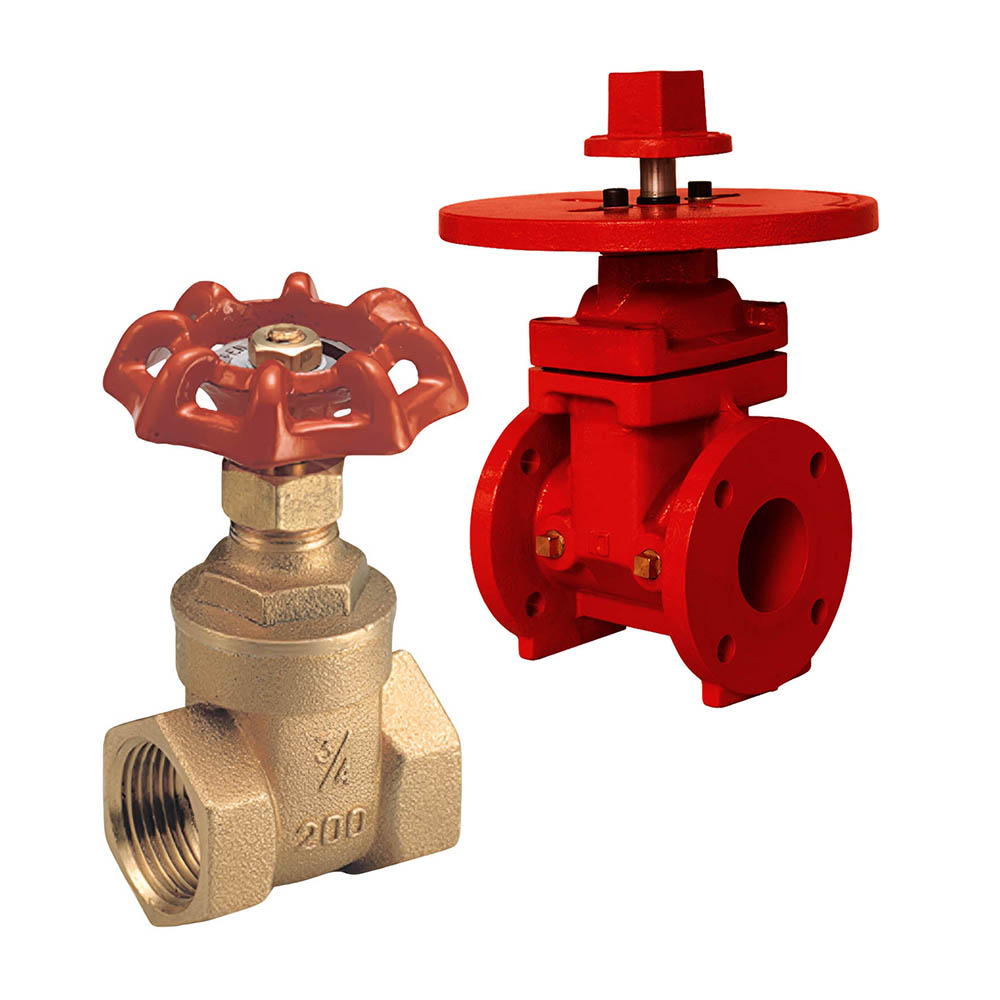
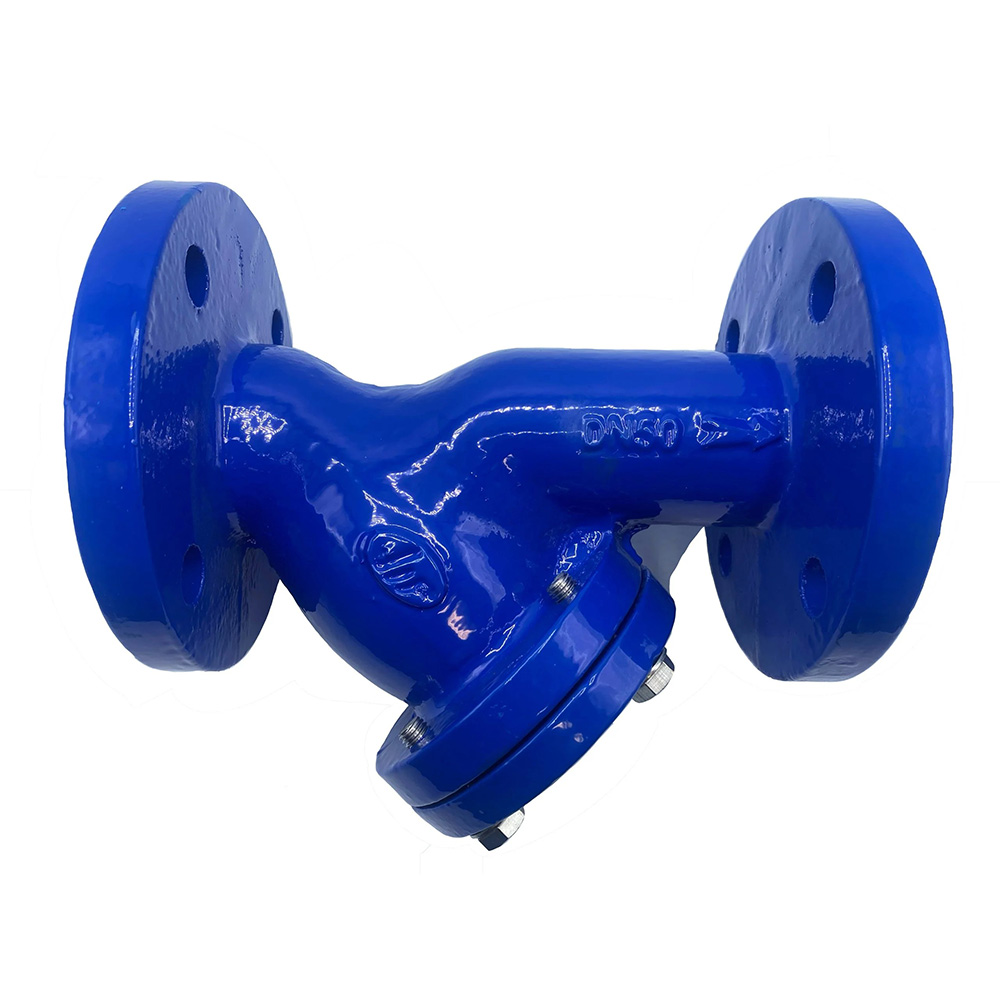
| Process | Sample Type | Typical Lead Time | Max. Size | Application Scenarios |
|---|---|---|---|---|
| SLA / SLS Non‑metallic Prototype | Appearance & assembly verification | 3-5 days | 1000mm | Low‑cost, quick iteration for form/fit checks |
| Precision CNC Machining (from solid bar/forging) | Functional metal sample | 5-7 days | 600mm (24″) | Best for high strength, tight tolerances (±0.01mm) |
| 3D Printed Sand Mold + Rapid Casting | Near‑net shape sample | 10-12 days | 1200mm (48″) | Economical for medium‑to‑large valve bodies; complex contours |
| Metal 3D Printing | Parts with complex internal flow channels | 7-10 days | 250mm | Ideal for topological optimization, multi‑port valves |
We source from certified mills and can provide full traceability. Typical materials for rapid prototyping include:
- Stainless Steels: 304, 304L, 316, 316L, 316Ti, 17‑4PH, 2205 (duplex), 2507 (super duplex)
- Nickel‑based Alloys: Inconel 625, Inconel 718, Monel 400, Hastelloy C‑276
- Copper Alloys: Aluminum Bronze (C95400, C95800), Silicon Bronze
- Carbon & Alloy Steels: A105, LF2, F22, F91, 4140, 4340
- Special Engineering Plastics: PTFE (virgin & filled), PEEK, PPS, PVDF, PA6/PA66
- Exotic Materials (available for functional samples): Titanium Gr.2 / Gr.5, Zirconium 702, Duplex 2205, Super Duplex 2507
*Material certificates (EN 10204 3.1) are included as standard for all metal samples.
Every prototype or sample can be inspected using our in‑house equipment. Typical tests and measurements include:
| CMM (Coordinate Measuring Machine) | Dimensional verification (GD&T, critical sealing areas) |
|---|---|
| Hydrostatic & Pneumatic Test Stand | Pressure integrity up to Class 2500; leakage rate measurement |
| Spectrometer (PMI – Positive Material Identification) | Alloy composition verification (ASTM E1251 / E1479) |
| Hardness Tester (Rockwell, Brinell, Leeb) | Surface / bulk hardness mapping |
| Surface Roughness Tester | Ra, Rz values for sealing surfaces |
| Nondestructive Testing (optional) | Dye penetrant (PT), magnetic particle (MT) – upon request |
*We can also perform functional tests such as torque measurement, flow coefficient (Cv) estimation, and low‑temperature cycling for cryogenic prototypes.
- EN 10204 3.1 material certificates and complete inspection reports are available upon request.
- For custom testing protocols or third‑party witness testing, please specify your requirements when ordering.
Valve Prototyping & Sampling Workflow
- We require the customers to provide as detailed information as possible and specify the order quantity. The information should include the types of valves required, as well as parameters such as working pressure, temperature and the medium used for operation.
- NDA signing
- After confidentiality agreement is signed, clients are required to share relevant design files. Acceptable formats cover 3D models in STEP, IGES and STL, 2D engineering drawings in PDF or DWG, as well as manual hand-drawn sketches.
- Our application engineers check for critical missing information:
- Material standards and grades
- Pressure class range (from Class 150 up to Class 2500)
- End connection types
- Required functional test
- A standardized requirement checklist will be compiled and formally confirmed by both the client and our team.
- Internal engineering review
- Geometrical complexity (tight tolerances, internal flow paths, …)
- Best rapid process: CNC machining (solid block), 3D printed sand mold + rapid casting, metal 3D printing (DMLS), or SLA/SLS non‑metallic prototype
- Material availability
- DFM report generation (within 24 hours after receiving complete data)
- Recommended manufacturing method with lead time
- Risk assessment (e.g., thin walls, porosity, difficult‑to‑machine areas)
- Cost breakdown (prototyping fee, optional expedite fee, etc.)
- Material certificate plan
- Testing plan
- After completing the entire internal engineering review, we will provide: a formal DFM proposal and a detailed quotation.
- Customer approves DFM
- PO issued
- Payment (typically 100% upfront for prototypes; net terms for repeat customers)
- Order entry into ERP
- Raw material release: stock material allocated or special material ordered (e.g., exotic alloys).
- CAM / slicing preparation (for CNC: generate toolpaths; for 3D printing: slice model; for rapid casting: design 3D printed sand mold cores)
- Lead time starts
Option A: Precision CNC Machining (5-7 days)
- We select properly dimensioned bar stock or forgings with full verification of material certification.
- Fabrication is carried out via 3-axis or 5-axis combined CNC milling and turning processes.
- In-process quality checks are performed on all key dimensional tolerances and surface finish requirements.
- For deep groove structures and special complex profiles, EDM machining is available as an additional process.
Option B: 3D Printed Sand Mold + Rapid Casting (10-12 days)
- 3D print sand molds and cores using furan or phenolic binder.
- Assemble mold, pour molten metal (air melt or VOD).
- Cool, shakeout, cut off gates/risers.
- Rough CNC machining of sealing surfaces and flange faces.
Option C: Metal 3D Printing (DMLS, 7-10 days)
- Metal parts are additively manufactured on DMLS equipment such as the EOS M290, under a protective inert gas environment.
- Once separated from the build platform, parts undergo dedicated heat treatment for stress relief.
- We then remove redundant support structures, followed by surface finishing via shot peening or light CNC trimming.
Option D: SLA/SLS Non‑metallic (3-5 days)
- Prototypes are printed with photosensitive resin for SLA or nylon powder for SLS technology.
- Post-production includes curing and manual sanding; optional painting service is offered for visual prototype display needs.
| Test Type | Equipment | Applicable to |
|---|---|---|
| Hardness test | Rockwell / Brinell | Metal samples |
| Dimensional inspection | CMM, height gauge, calipers | Every sample |
| Flow coefficient (Cv) test | Flow loop (if requested) | Control valves, ball valves |
| Torque / stroke test | Torque sensor, actuator simulator | Quarter‑turn valves |
| PMI (material verification) | Handheld XRF spectrometer | Metal samples |
| Hydrostatic shell test | Pressure test stand (up to 2500 Class) | All pressure‑containing samples |
| Pneumatic seat leakage test | Bubble test / mass flow meter | Sealing surfaces |
Documentation produced:
- Dimensional report with GD&T callouts
- Material test certificate (EN 10204 3.1)
- Pressure test certificate (chart or video upon request)
- Photos/video of critical assembly steps
- …
- Cleaning & deburring
- Final assembly
- Packaging
- Shipping
- Documentation package delivered digitally (PDF) and physically (printed copy in pouch):
- Inspection report (all test results)
- Material certificate (EN 10204 3.1)
- DFM final report
- Photos of the sample
- Recommended production parameters for mass production (e.g., casting die design suggestions, CNC program backup)
- Lead time ends
Sample Types & Suitable Applications
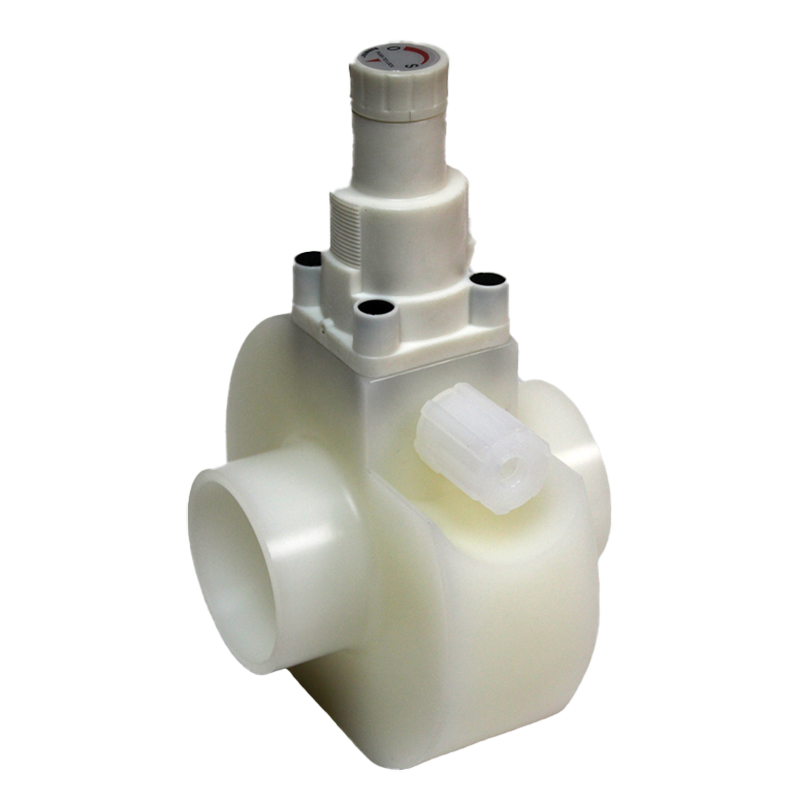
Appearance / Assembly Sample
Uses non‑metallic or low‑cost alternative materials (resin, nylon, ABS) for rapid prototyping. Focuses on verifying external shape, interface dimensions, bolt hole positions, handwheel feel, and other assembly relationships. Not suitable for pressure or media testing. Simple painting can simulate final product color.
Used for : Early design (interference verification) | Trade show display (show new product form) | Project bidding (supplement drawings)
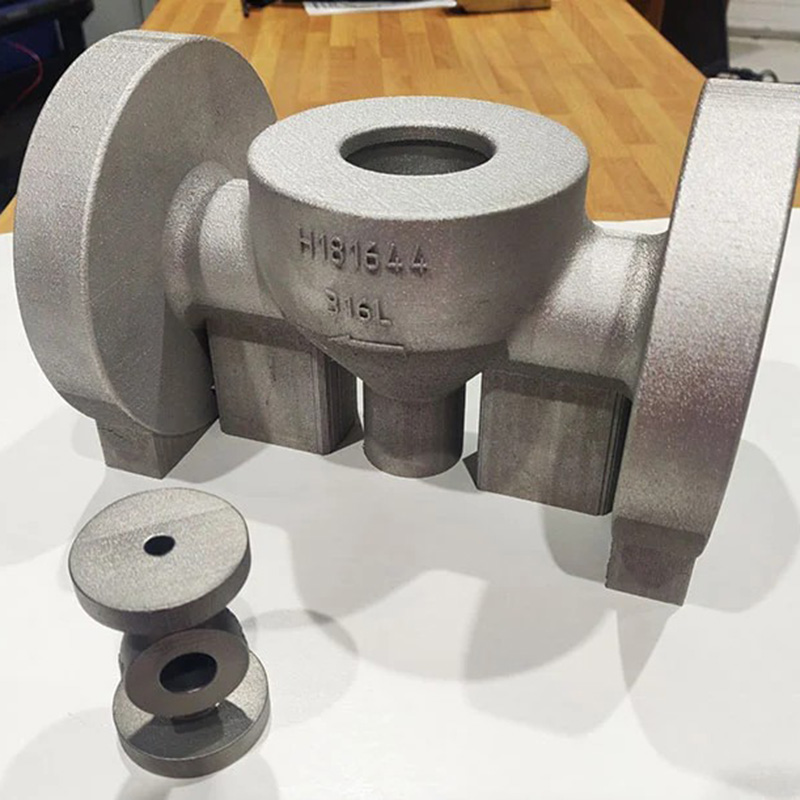
Functional Metal Sample
Made from exactly the same metal materials as mass production (316L, duplex 2205, Inconel 625) and similar processes (precision CNC machining, DMLS, rapid casting + CNC finishing). Can withstand real operating pressure, temperature, and corrosive environments. Supports destructive testing (burst, metallographic analysis, fatigue) to verify design safety factors.
Used for: Engineering validation | Type testing (samples for API/ISO certification) | Customer pilot field installation
Small‑Batch Trial Production (5-50 pcs)
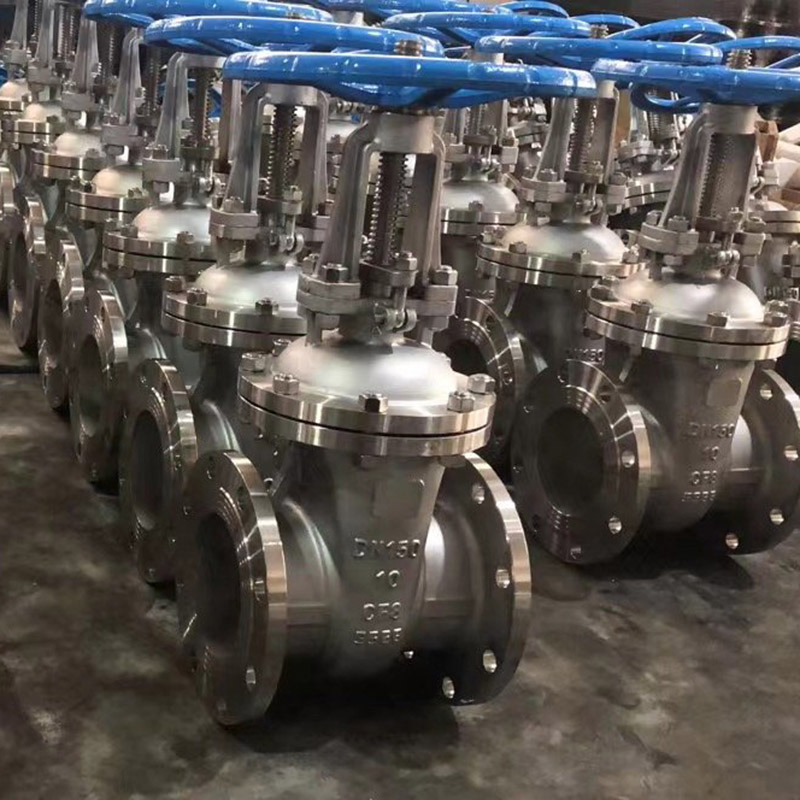
Combines fast delivery with cost advantages, no need to wait for formal molds. Uses same batch of materials to ensure consistency.
- For valve bodies: Prefer CNC machining from bar/forging (5–20 pieces) – stable dimensions
- For complex valve bodies: Use 3D printed sand mold + rapid casting – cost per piece decreases with quantity
Used for: Project pilot | Bidding samples | OEM customer first validation order
Reverse Engineering
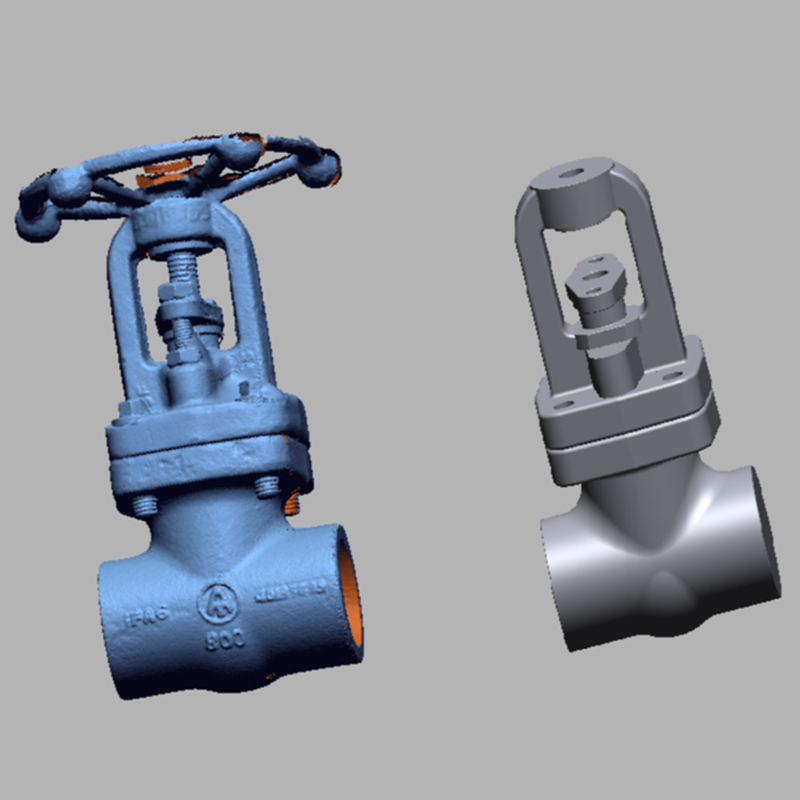
For damaged, no‑drawing, or obsolete imported valves.
3D scanning → reverse modeling → CNC or rapid casting
Used for: Replacement of imported spare parts with no original drawings | Repair of old equipment | Replication & optimization
Seamless Prototype to Production
One factory, dual capabilities
After prototype validation, directly move to small‑batch or mass production on the same production line, ensuring consistent process stability.
Inventory advantage
As a valve wholesaler, we stock large‑size forgings and bar stock of common materials (e.g., 316L, A105), which shortens raw material lead time for prototypes.
Cost transparency
Prototyping fees can be deducted up to 50% from future mass production tooling costs (limited to specific projects).
Fast response
Frequently Asked Questions
| Stage | Procedure | Description |
|---|---|---|
| Before Production | PMI (Positive Material Identification) test | Raw material verification |
| In-Production | Dimensional checks | At critical machining stages |
| Post-Production | High-pressure hydrostatic shell test (1.5× rated pressure) Low-pressure air seat test (0.6 MPa) to verify shut-off Optional tests: helium leak test (ISO 15848), fire-safe test, or cryogenic test | Final assembly testing |
| Quality Inspection | Marking verification, coating/painting thickness measurement, and preparation of traceable test reports | Visual & documentary check |
All test records are archived for a minimum of 10 years and can be provided with each shipment. Or you can specify any third-party test institutions.
Our manufacturing facility is certified to ISO 9001:2015 for design, production, and after-sales service of industrial valves. Additionally, we hold ISO 14001:2015 (environmental management) and ISO 45001:2018 (occupational health and safety). All our ball valves for the European market comply with PED 2014/68/EU, and we can supply valves with ATEX certification for explosive atmospheres upon request. Our quality system is audited annually by third-party notified bodies.
Absolutely. For standard ball valves, we can offer off-the-shelf samples of common sizes (1/2″ to 4″) at a discounted price, with a refundable deposit that can be credited toward a future bulk order. For custom or larger sizes, we accept small trial orders (as few as 2–5 pieces) after a non-recurring engineering (NRE) fee is agreed. The NRE fee will be waived once the customer proceeds to a production order of 50 pieces or more.
We offer flexible payment terms based on order value and customer history. For standard orders: 30% deposit by T/T (wire transfer) with 70% balance against copy of Bill of Lading. For larger or repeat customers, we can consider 20% deposit + 80% irrevocable L/C at sight. Payment by letter of credit must be confirmed and free of discrepancies. Other terms (e.g., 30% deposit + 70% against inspection report) can be negotiated for special projects.
- For standard models, the minimum order quantity (MOQ) is usually 100 pieces per size. For sizes that are in stock, it takes 3 to 5 business days to ship after you place your order. Our usual lead time for making standard catalog valves that aren’t in stock is 15 to 25 business days after we get your order and approve the drawing.
- Custom models (with special materials, pressure classes, actuator mounting, custom logos, etc.): The minimum order quantity (MOQ) varies, so please get in touch with our sales team for a full quote. The lead time is usually 15 to 45 days, depending on how complicated the process is. Also, we offer a mixed-model consolidation service for distributors to help them deal with their inventory problems.