Technical parameters · Industry applications · Purchase guidelines

DN25 / 1″ Valves Industrial Solution Provider

With over 15 years of engineering expertise in DN25 industrial valves, we provide full material traceability, fire‑safe and fugitive emission certifications, and tailor‑made actuation solutions. Whether you need a standard 1″ ball valve or a cryogenic globe valve with extended bonnet, our engineering team delivers reliability from quote to commissioning with full compliance (PED, CRN, ATEX, etc.).
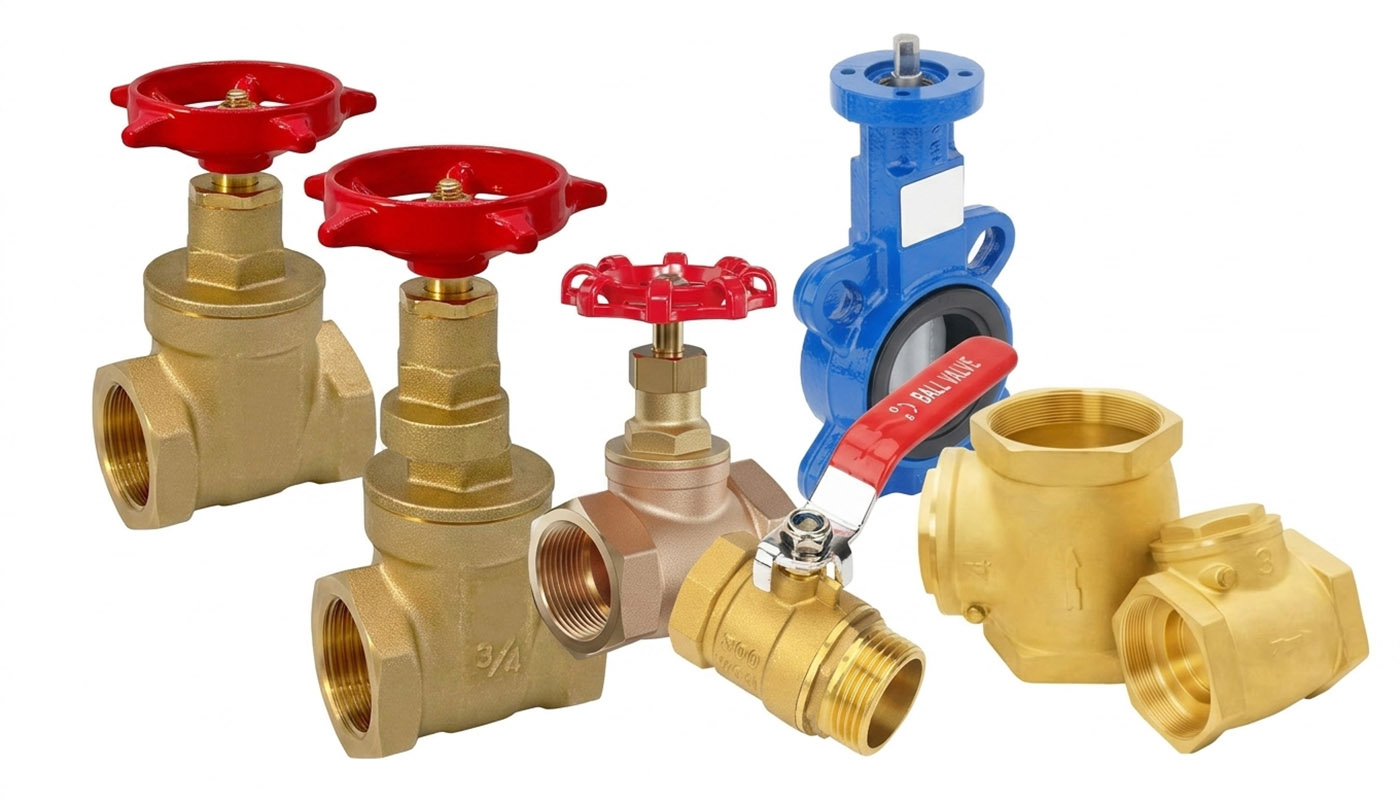
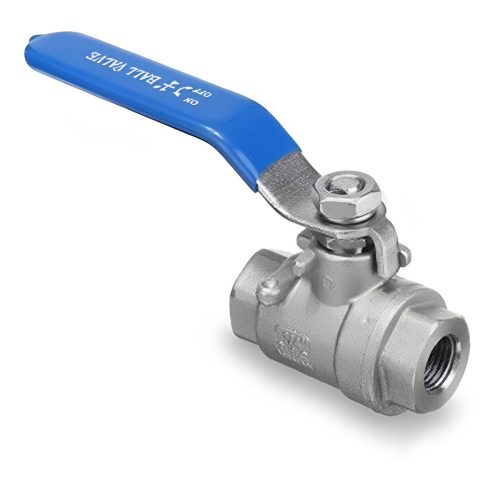
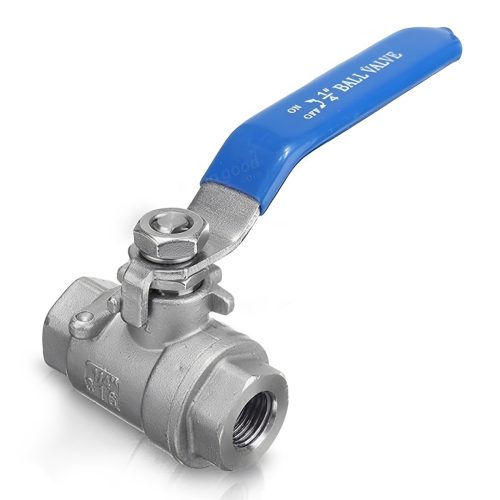
dn25 1 inch valve family

What is DN25 (1″)?

DN stands for Nominal Diameter (ISO 6708). It is a dimensionless reference number, not an actual measurement of internal or external diameter. For DN25, the corresponding NPS (Nominal Pipe Size) is 1 inch.

Mathematically, 1 inch is equivalent to 25.4 millimeters, but for valve specs, 1″ and DN25 do not refer to the actual inner or outer diameters. Instead, they are “nominal sizes” or “designations” established for the purpose of standardizing production and design. DN (Nominal Diameter) is the metric designation defined by the international standard ISO 6708; NPS (Nominal Pipe Size) is the imperial designation defined by the American standard ANSI/ASME. Their purpose is to ensure that pipe fittings (such as valves, flanges, pipe fittings) produced by different manufacturers can be interconnected. The actual outer diameter corresponding to DN25/1″ is 33.4mm, not 25.4mm.

Nominal Diameter Conversion Chart

DNNPSOD
DN61/8″10.3mm
DN81/4″13.7mm
DN103/8″17.1mm
DN151/2″21.3mm
DN203/4″26.7mm
DN251″33.4mm
DN321¼″42.2mm
DN401½″48.3mm
DN502″60.3mm
DN652½″73.0mm
DN803″88.9mm
DN1004″114.3mm
DN1255″139.7mm
DN1506″168.3mm
DN2008″219.1mm
DN25010″273.0mm
DN30012″323.9mm
DN35014″355.6mm
DN40016″406.4mm
DN45018″457.2mm
DN50020″508.0mm
DN60024″610.0mm
DN65026″660.4
DN70028″711.2
DN75030″762.0
DN80032″812.8
DN85034″863.6
DN90036″914.4
DN95038″965.2
DN100040″1016.0
DN105042″1066.8
DN110044″1117.6
DN115046″1168.4
DN120048″1219.2
DN125050″1270.0
DN130052″1320.8
DN135054″1371.6
DN140056″1422.4
DN145058″1473.2
DN150060″1524.0

Our 1 Inch / DN25 Valves

Filter Our Product Series By Application Industries

Filter Our Product Series By Application Industries

Filter Our Product Series By Application Industries

Filter Our Product Series By Application Industries

Filter Our Product Series By Application Industries

Filter Our Product Series By Application Industries

Core Valve Types & Connection Standards for DN25/1 Inch

Valve TypeKey FeaturesTypical Applications
Ball ValveQuarter‑turn, fast opening/closing, compact, low flow resistance, tight shut‑off.Quick shut-off valves before the household gas meter and on the indoor water pipes; In food, pharmaceutical and other hygiene-level production processes (requiring high cleanliness); In the storage and transportation systems of low-temperature fluids (such as liquid nitrogen, LNG).
Gate ValveLow pressure drop when fully open, linear stem movement, suitable for on/off (not throttling).As the main water supply or the heating pipeline valve for household use; In the long-distance pipelines for transporting crude oil and refined oil.
Globe ValveGood throttling / regulating ability, higher pressure drop than gate valve, excellent seal.Flow regulation of the steam inlet at the terminal of the central air conditioning system and the small heat exchanger; systems with extremely high "zero leakage" requirements such as hydrogen cooling for generator sets and semiconductor manufacturing; low-temperature pipelines in LNG refueling stations.
Check ValveAutomatic, prevents backflow, protects pumps and compressors.Installed at the outlet of the water pump, it prevents the water in the pipeline from flowing back and colliding with the pump when the pump stops; On hygiene-level pipelines for food, beverages, and pharmaceuticals, it is often used in combination with a stop valve to prevent the backflow of materials.
Butterfly ValveCompact, lightweight, suitable for large flow volumes even at DN25, economical.In industrial fields such as water treatment, metallurgy, and power generation, it is used for flow regulation and shut-off on pipelines; For pipelines transporting strong corrosive fluids such as strong acids and strong alkalis.

  • Flanged: ASME B16.5 (Class 150, 300) or EN 1092-1 (PN16, PN40) – face‑to‑face per ASME B16.10 or EN 558.
  • Threaded: NPT (ASME B1.20.1) or BSP (ISO 7-1) – end‑to‑end per MSS SP‑110 or manufacturer standard.
  • Butt‑weld: ASME B16.25 – dimension per ASME B16.34.
  • Socket‑weld: ASME B16.11.
  • Clamp (sanitary): ISO 2852 / ASME BPE – for food, dairy, biopharma.
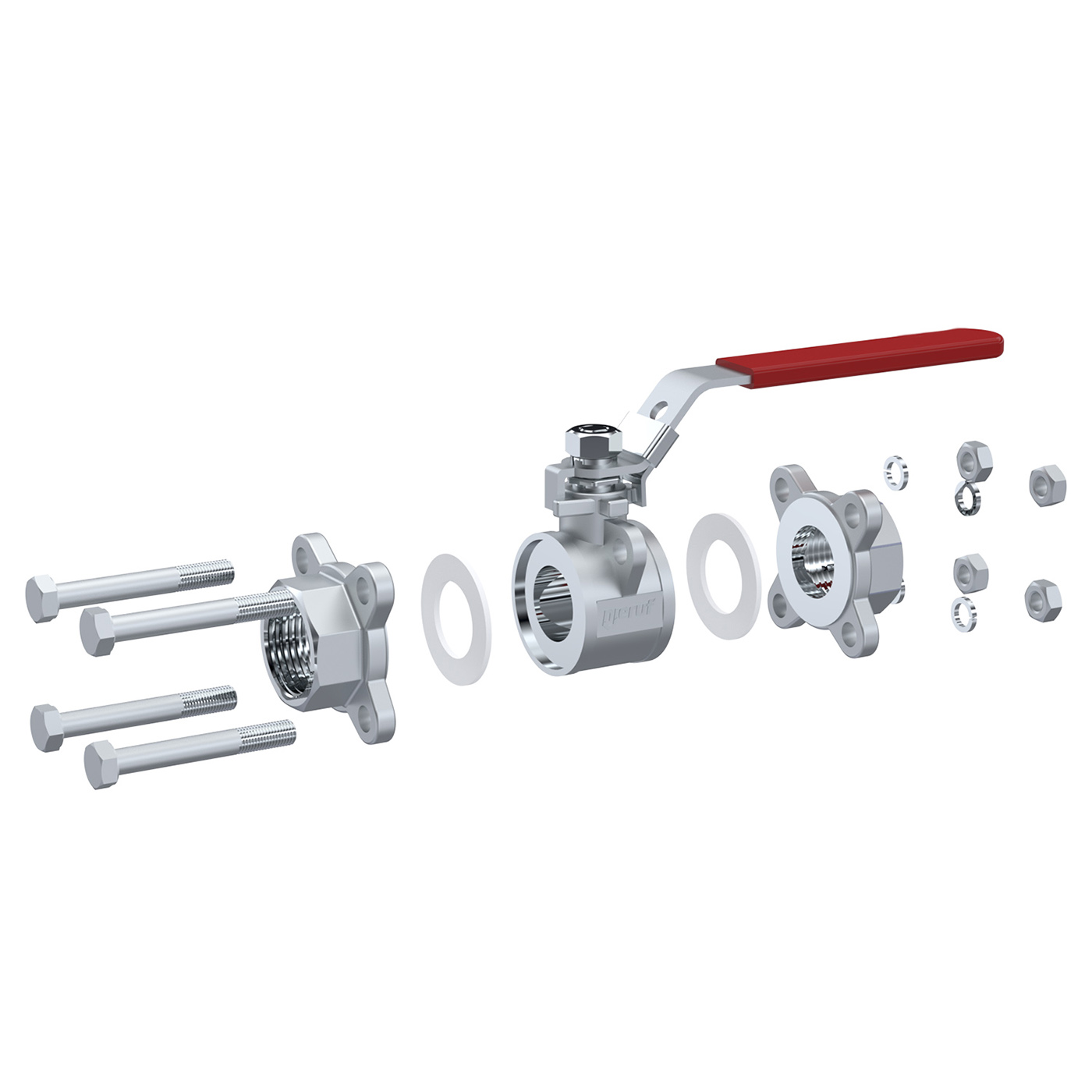
1 inch DN25 valve structure anatomy

Need DN25/1 Inch Valves for Your Next Project?

Get a competitive quote within 24 hours with technical support and custom options.

1 Inch/DN25 Valves Industry Application Scenarios
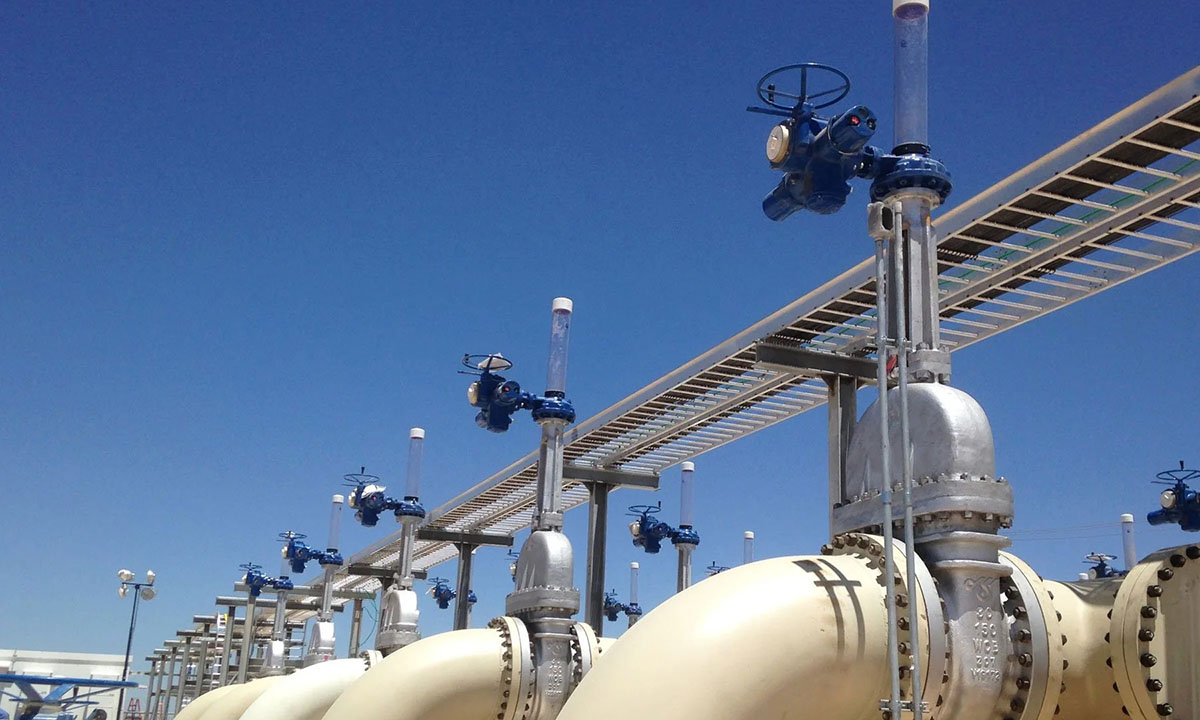
valves in engery and power plant

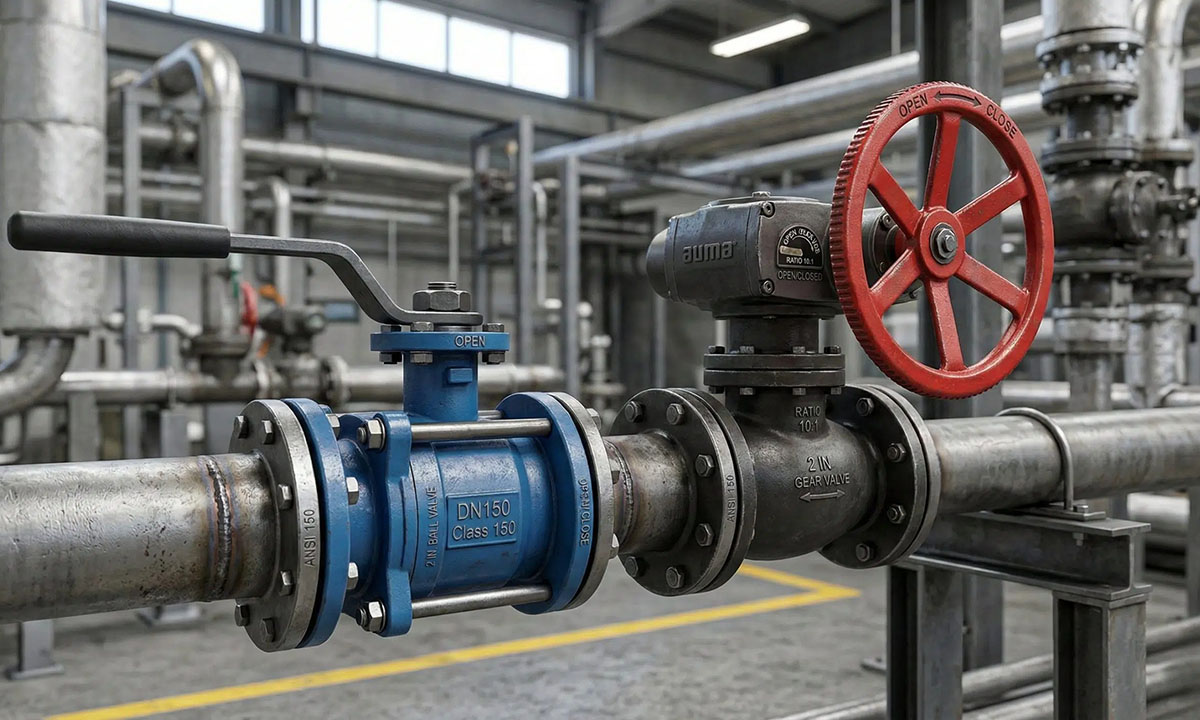
Power Generation & District Energy

In scenarios involving high temperatures, high pressures or large-scale thermal grid, DN25 valves are mainly used for  bypass lines, sampling points, and auxiliary systems.

  • Boiler/Pipeline Drain & Vent: Used at low points in large steam lines and steam turbine drip pans. They automatically or manually discharge condensate during startup to prevent water hammer and release non-condensable gases during warm-up.
  • Instrument Isolation: The tap lines for pressure transmitters and differential pressure level transmitters typically use a pair of DN25 Needle Valves or Globe Valves for online calibration, blowdown, or isolating instruments for maintenance.
  • Cooling Water Branch: Provides a quantified cooling water supply to small equipment like generator oil coolers or bearing cooling jackets, using a DN25 Ball Valve for rapid on/off control.
valves in industrial and manufacturing

Oil, Gas & Petrochemical

This field emphasizes explosion-proof, corrosion resistance and strict sealing. The DN25 valves are mostly used for process heating, chemical injection and discharge.

  • Instrument Air/Tracing Lines: DN25 ball valves or gate valves are mostly used for distributing instrument air. On the outside of pipelines carrying condensable media (such as crude oil, wax oil), stop-start control of steam or electric heating is mostly achieved using a DN25 globe valve.
  • Blowdown & Vent Ports: DN25 ball valves or gate valves are usually installed at process pipe rack blind ends or equipment low points as drain points (blowdown). At high points, DN25 Globe Valves usually act as vents for safe pressure release before maintenance.
  • Sampling Systems: In the constant pressure and vacuum distillation or catalytic cracking units of the oil refinery, most of the interfaces are of DN25 specification and are used for sealed sampling.
valves in bottled water plant

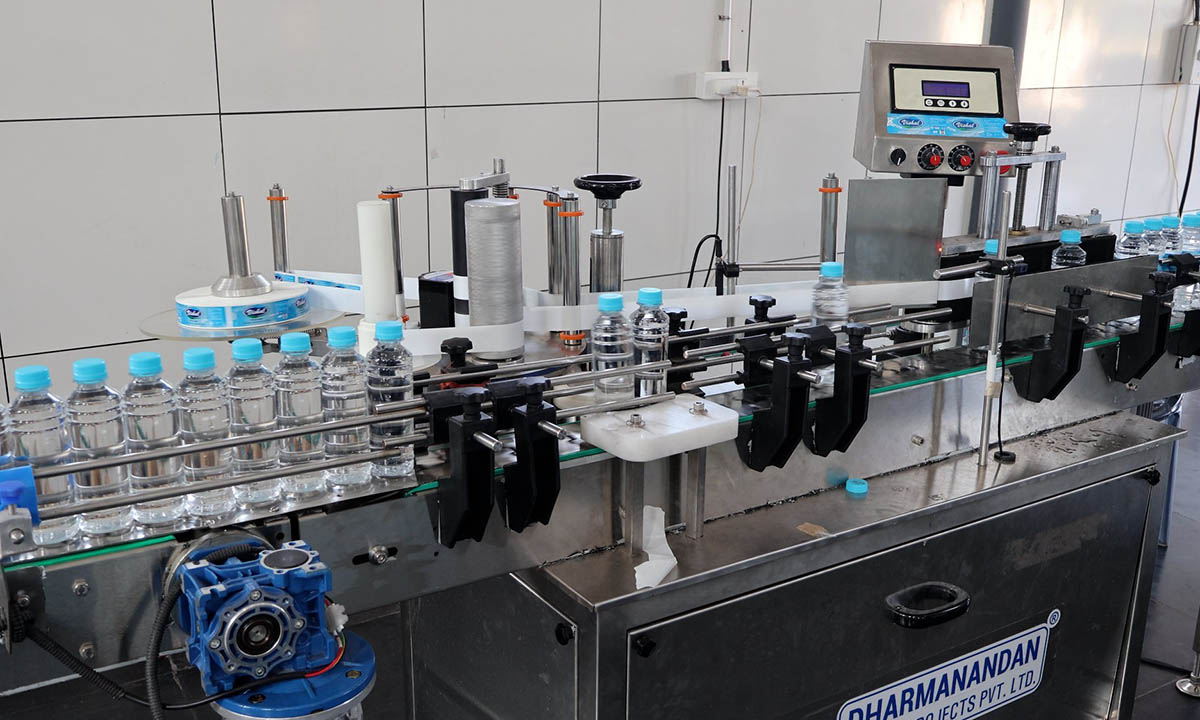
Food & Beverage / Pharmaceutical

The DN25 valves are used for aseptic transportation, CIP cleaning and distribution of clean media.

  • Process Media Transfer Branches: At the inlets/outlets of mixing tanks, fermenters, or bioreactors, Hygienic Diaphragm Valves (DN25) are widely used. Their smooth, pocketless design facilitates Steam-In-Place (SIP) and cleaning, preventing bacterial growth.
  • CIP/SIP Distribution: For conveying acidic/alkaline cleaning solutions or pure steam, Hygienic Ball Valves or Butterfly Valves (DN25) distribute the cleaning fluid to multiple parallel equipment units.
  • Purified Water / WFI Use Points: The faucets in cleanrooms, though looking ordinary, are internally DN25 Hygienic Diaphragm Valves with anti-siphon design at the outlet.
valve application in building and facilities construction

HVAC & Building Services

This is the most common application for DN25 valves in the commercial and civilian sectors, and they are mainly used for balancing water systems, end-point control, and radiator control.

  • Fan Coil Unit (FCU) Control: In ceilings of hotel rooms or offices, DN25 Motorized 2-Way Valves (typically with a ball valve or globe valve core) open/close based on thermostat commands, controlling chilled/hot water flow to the FCU.
  • Radiator Temperature Control: In residential heating systems, DN25 Thermostatic Radiator Valves (TRVs) are installed at the radiator inlet, sensing room temperature and automatically adjusting the opening.
  • Manifold Vent & Drain: At the end of manifolds for radiant floor or radiator systems, standard configurations include a DN25 Automatic Air Vent (to release air) and a Ball Valve (for system drain/flush).

What Information to Provide

Procurement Checklist

To receive an accurate quotation and a technically suitable DN25 valve, please provide the following information. The more detail you supply, the better we can match the valve to your application, and the lower the risk of costly change orders or field failures.

Describe the fluid that will come into contact with the valve. Include:

  • Chemical composition – e.g., natural gas (with H₂S content), 30% sulfuric acid, demineralised water, saturated steam.
  • Phase – liquid, gas, steam, two‑phase (e.g., wet steam), or slurry.
  • Impurities or solids – presence of sand, catalyst fines, fibres – may require hardened trim or special seat materials.
  • Corrosive / erosive nature – e.g., chlorides, hydrogen sulphide (sour service), oxygen service (requires degreasing).
  • Hygienic requirements – for food, dairy, beverage, or pharmaceutical: specify if media requires FDA or 3‑A compliance.

Example: *Media: 30% monoethylene glycol + water mixture, liquid phase, no solids, mildly corrosive (pH 7–8).*

Provide three pressure points and three temperature points (if different). Use consistent units (bar/g or psi/g, °C or °F). For example:

Condition Pressure Temperature
Minimum e.g., 1 bar –10 °C
Normal 8 bar 40 °C
Maximum 12 bar 90 °C

Tip: Always specify the design pressure & temperature (the worst‑case coincident condition), not just normal operating values.

The flow coefficient determines whether the valve can pass the required flow with an acceptable pressure drop.

  • Kv (m³/h) = flow of water at 5…40 °C that creates a pressure drop of 1 bar.
  • Cv (US gal/min) = flow of water at 60 °F with 1 psi drop.

Provide one of the following:

  • Desired flow rate (e.g., 5 m³/h of water at 10 bar inlet pressure, permissible Δp = 0.5 bar)
  • Direct Kv or Cv requirement
  • Process line size and allowable pressure drop (we can calculate Kv for you)

*For control valves: also specify the rangeability (turndown), inherent characteristic (linear, equal‑percentage, quick‑opening), and maximum shut‑off pressure (for actuator sizing).

Specify how the valve connects to your pipeline. Unclear end details are a major source of errors.

Flanged:

  • Standard: ASME B16.5 (Class 150, 300, 600, 900, 1500) or EN 1092‑1 (PN16, PN25, PN40).
  • Facing: Raised Face (RF), Flat Face (FF), Ring‑Type Joint (RTJ), Tongue & Groove.
  • Drill pattern & flange size (e.g., 4 holes, ½″ bolts for Class 150 DN25).
  • Gasket type (if specified).

Threaded:

  • Thread standard: NPT (ASME B1.20.1 – USA/Canada) or BSP (ISO 7‑1 – Europe/Asia).
  • Female / male threads (usually female by default for valves).
  • Thread sealing requirement (e.g., PTFE tape, anaerobic sealant).

Butt‑weld:

  • Pipe schedule (e.g., Sch 40, Sch 80, Sch 160).
  • End preparation: bevel (standard) or plain.
  • Bore match requirement (full port vs. reduced port).

Socket‑weld: provide pipe schedule and insertion depth (per ASME B16.11).

Clamp (sanitary / aseptic):

  • Standard: ISO 2852, ASME BPE, DIN 32676.
  • Clamp size (e.g., 1″ Tri‑Clamp).
  • Gasket material (e.g., EPDM, PTFE, FKM).

How will the valve be operated? This affects the stem, mounting, and accessories.

MANUAL

  • Lever: For quarter‑turn valves (ball, butterfly). Specify lever lockable or non‑lockable.
  • Handwheel / Gear: For multi‑turn valves (gate, globe) or large quarter‑turn valves where lever force is too high. Gear operator for DN25 only if torque is very high (e.g., high‑pressure metal‑seated ball valve).

PNEUMATIC ACTUATOR

Provide air supply pressure (e.g., 4 bar…8 bar), fail‑safe position (fail‑close, fail‑open, or fail‑last), and required accessories: solenoid valve, limit switches, positioner (analog 4‑20 mA or digital), filter regulator, speed controller.

ELECTRIC ACTUATOR

Specify voltage (24V DC, 110V AC, 230V AC), control type (on/off, modulating), fail‑safe (spring‑return or battery backup), running time, enclosure rating (e.g., IP65, IP67, NEMA 4/7).

*HYDRAULIC ACTUATOR

Rare for DN25, but possible in offshore / subsea. Provide pressure range and fluid.

We would have to validate that the valve meets regional and industry‑specific requirements. Be specific.

Certification / Document When needed Typical scope for DN25
PED 2014/68/EU European pressure equipment – mandatory for CE marking. Category I or II depending on pressure/fluid group. Valve must have EC Declaration of Conformity.
CRN (Canadian Registration Number) For valves used in Canada (each province). Required for pressure boundary. Supplier must hold CRN or provide data for end‑user registration.
API 6D Pipeline valves (ball, gate, check) for oil & gas. Adds API 6D requirements (fire‑safe, anti‑static, double block & bleed if specified).
API 608 Metal ball valves for general refinery. Covers design, materials, testing for DN25 ball valves.
ISO 15848 (fugitive emissions) Valves subject to strict leakage control (VOCs, H₂S, steam). Specify class (e.g., B, C) and test cycles. Many EU chemical plants require it.
ATEX (2014/34/EU) Valves used in potentially explosive atmospheres (Zone 1, Zone 2, Zone 21, 22). Actuator and valve body with conductive coatings / anti‑static design. Provide ATEX certificate.
SIL (IEC 61508 / IEC 61511) Safety‑instrumented systems in process plants. Specify required SIL level (e.g., SIL 2) and required PFDavg. Supplier provides FMEDA report.
Fire‑safe (API 607 / ISO 10497) Flammable service (oil, gas, LPG). Tested to API 607 or ISO 10497 (soft‑seated quarter‑turn valves). Certificate required.
NACE MR0175 / ISO 15156 Sour service (H₂S present), oil & gas upstream. Material must meet hardness and composition limits. Provide NACE compliance statement.
TA‑Luft / VDI 2440 German clean air requirements (tightness). Stem seal leakage ≤ 10⁻⁴ mbar·l/(s·m).
ABS / DNV / Lloyds Register Marine and offshore. Type approval certificate for the specific valve size/class.
EN 10204 Type 3.1 Material traceability. Mill certificate confirming chemical and mechanical properties – typical for pressure‑containing parts.
  • Quantity
  • Required delivery date
  • Previous supplier part number
  • Pain point / failure history – e.g., “current valves leak after 3 months due to seat wear” → we can suggest upgraded seat (PEEK, metal‑seated).
  • Special cleaning / packaging
  • Documentation language (English by default)
  • Inspection requirements
  • etc.

Leave An Inquiry

Please submit your inquiry via the form below or email [email protected]; Our team guarantees a response within 24 hours.