Emergency Field Service & Troubleshooting for Industrial Valves
Unexpected valve failures can disrupt production, compromise system reliability, and create safety risks. Our engineering team provides emergency troubleshooting support, failure analysis, and technical consultation for industrial valve applications. We help customers identify root causes, restore valve performance, and implement corrective actions. So you can minimize downtime and prevent recurrence. Backed by years of experience in valve design, manufacturing, and field service, we deliver practical solutions that you can rely on.
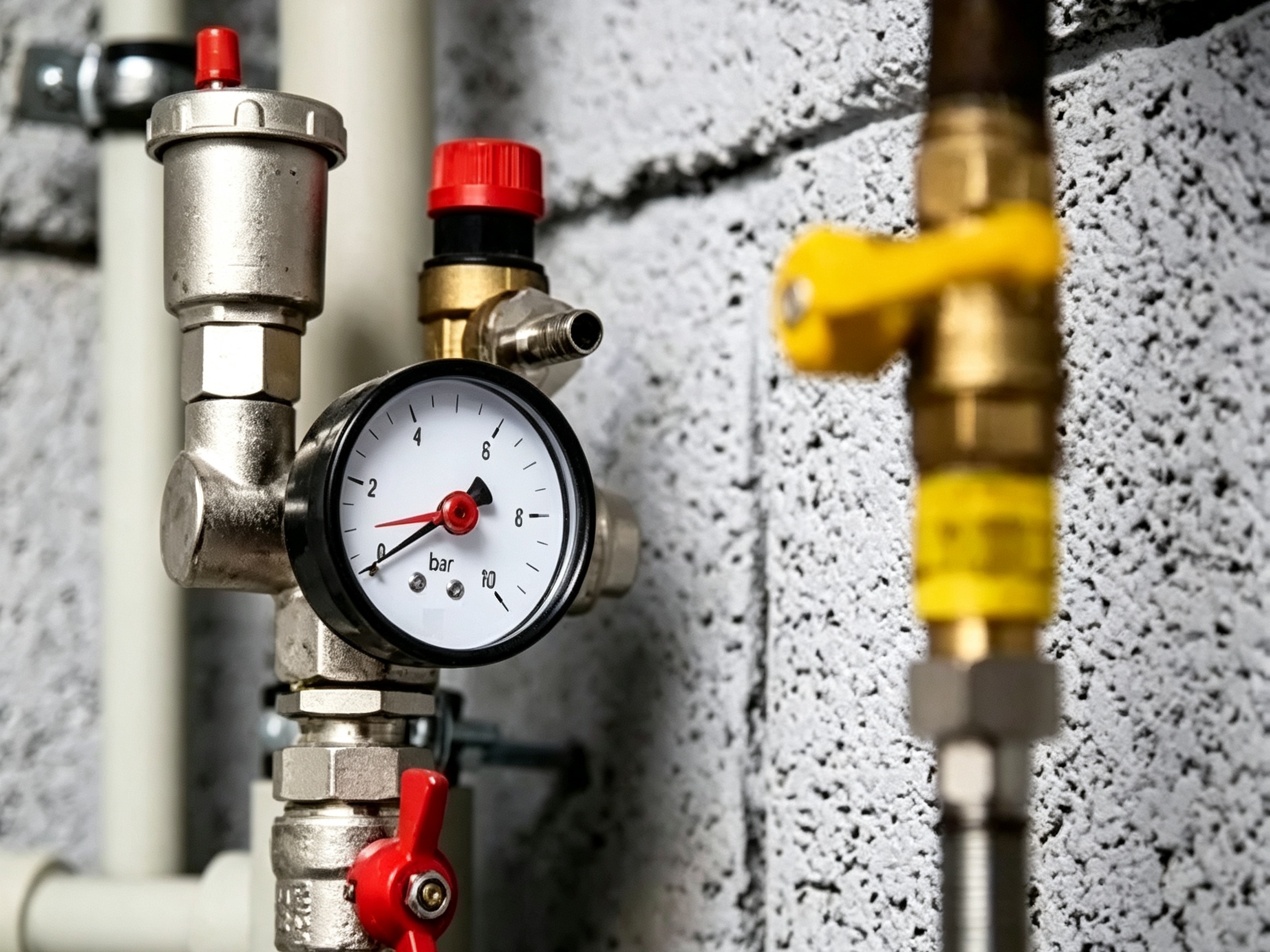
Effective troubleshooting goes beyond components replacement. It requires investigating design parameters, material selection, manufacturing quality, and actual operating conditions. Our engineers examine each failure from all these aspects, and formulate reliable corrective actions to improve system performance.
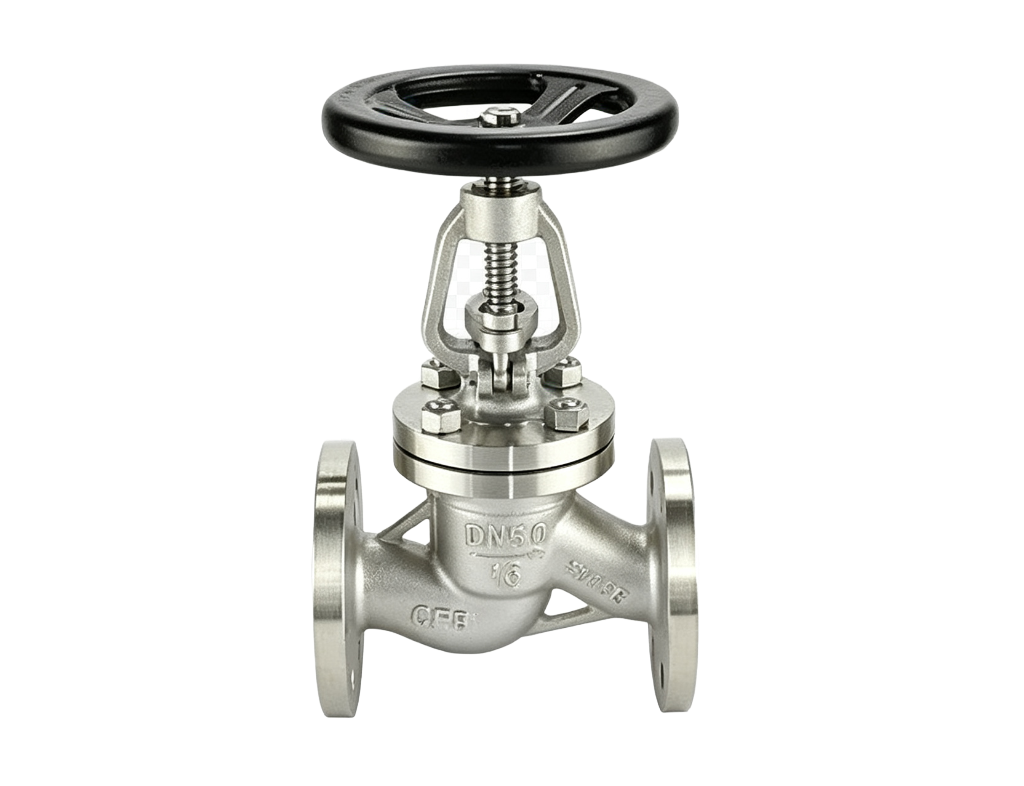
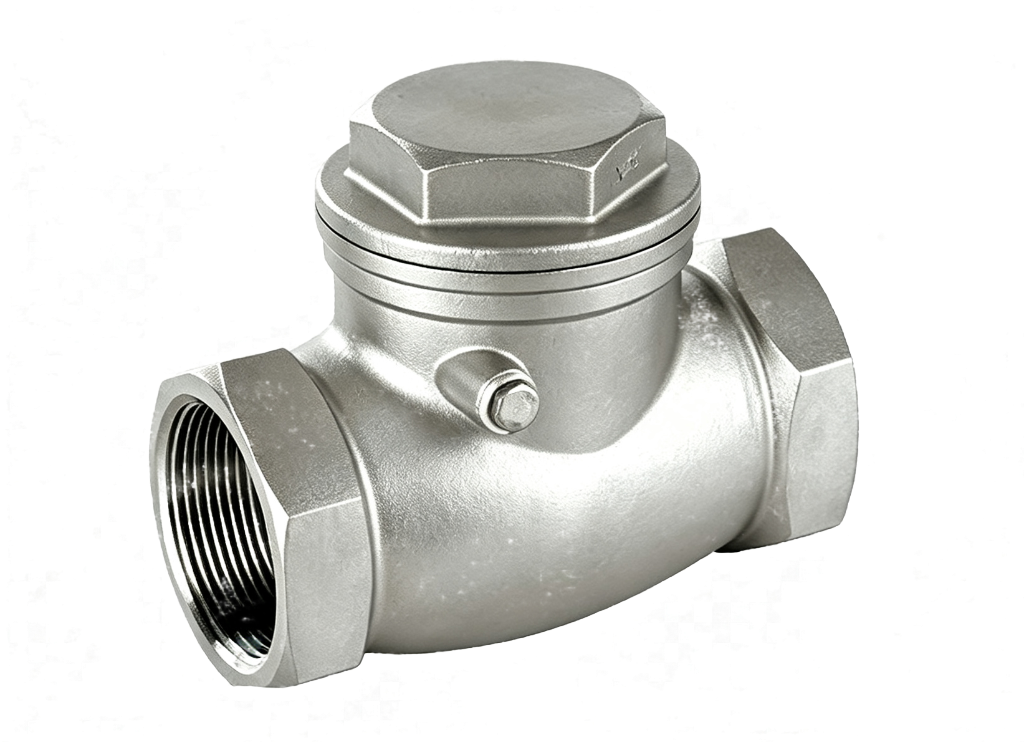
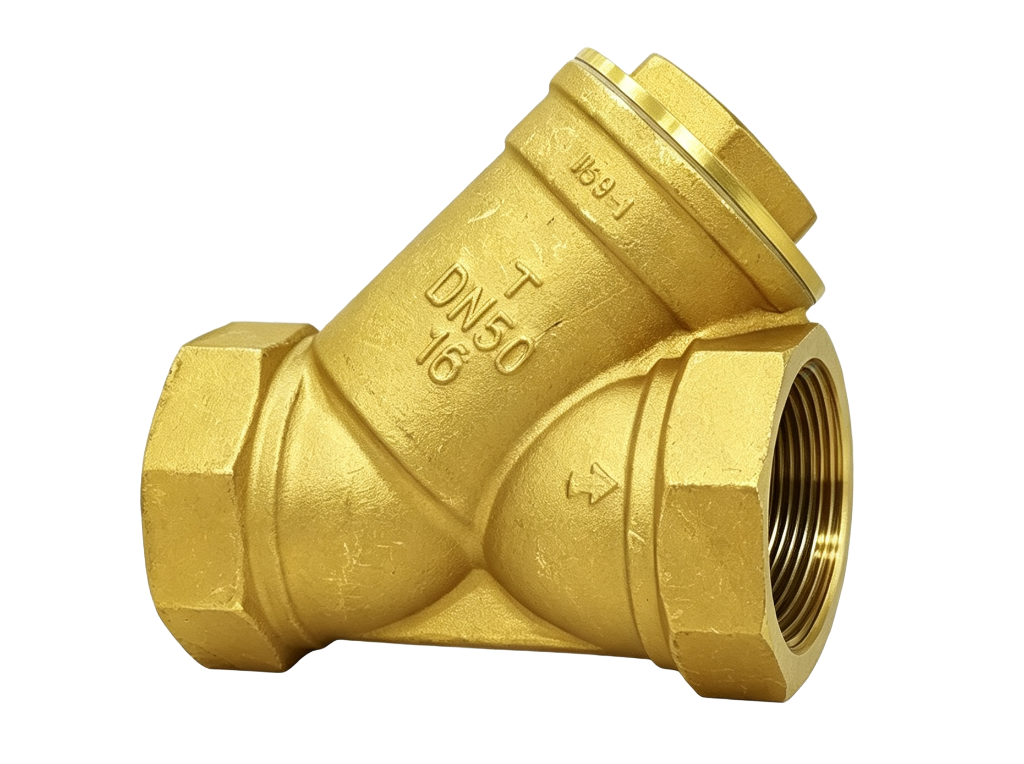
Troubleshooting Support for Our Industrial Valve Products
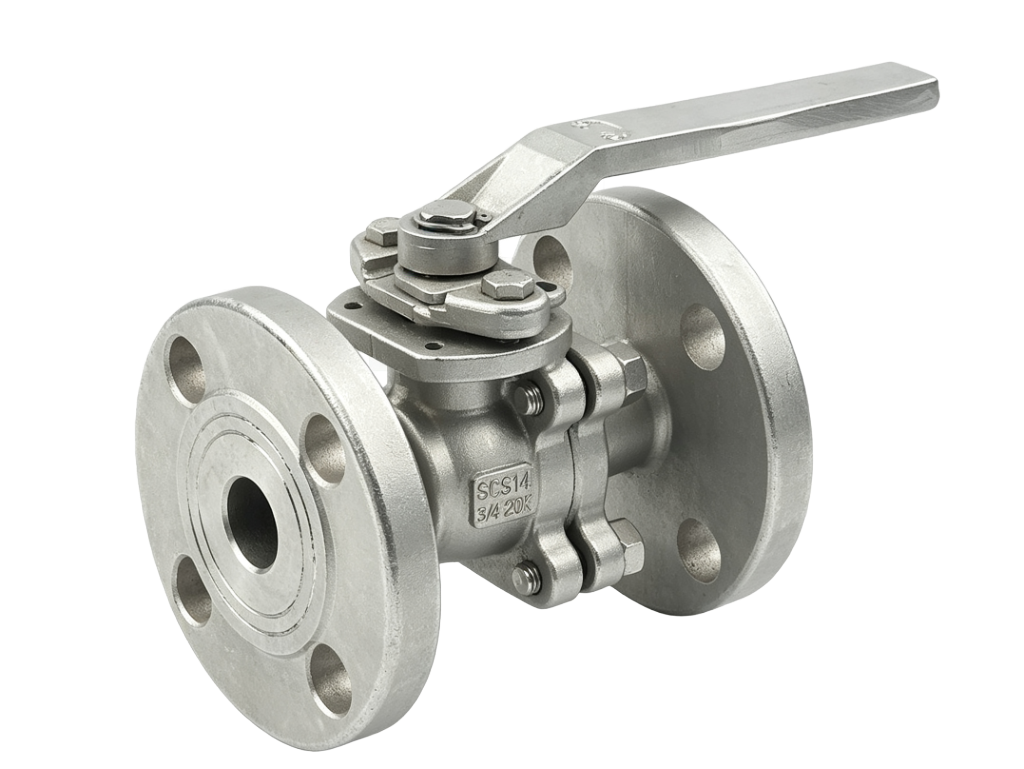
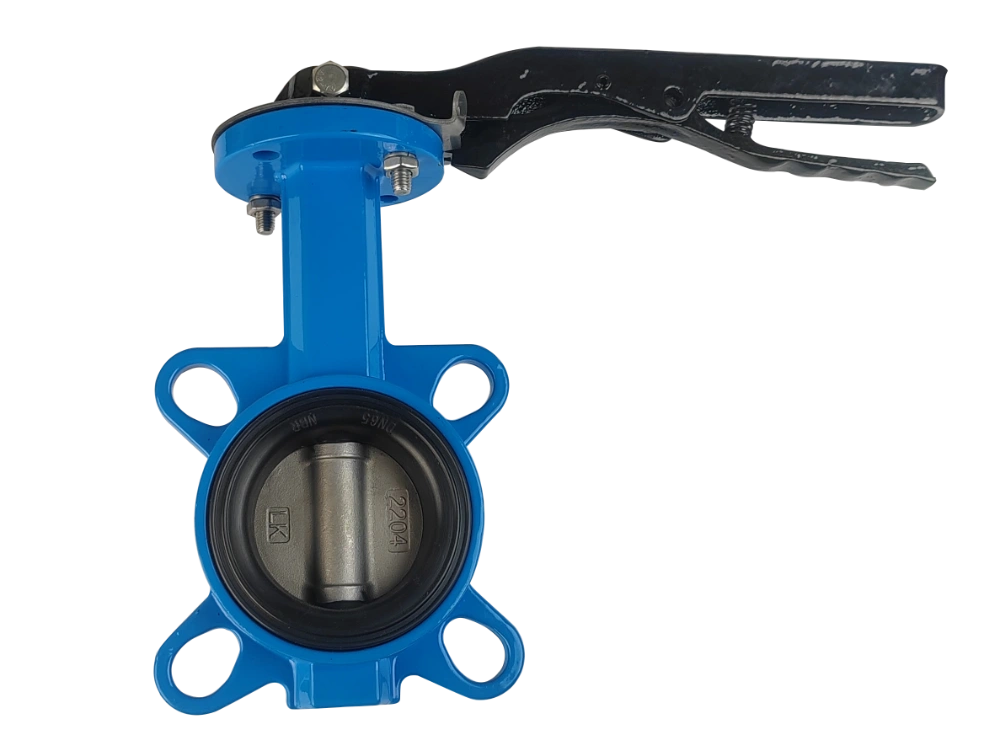
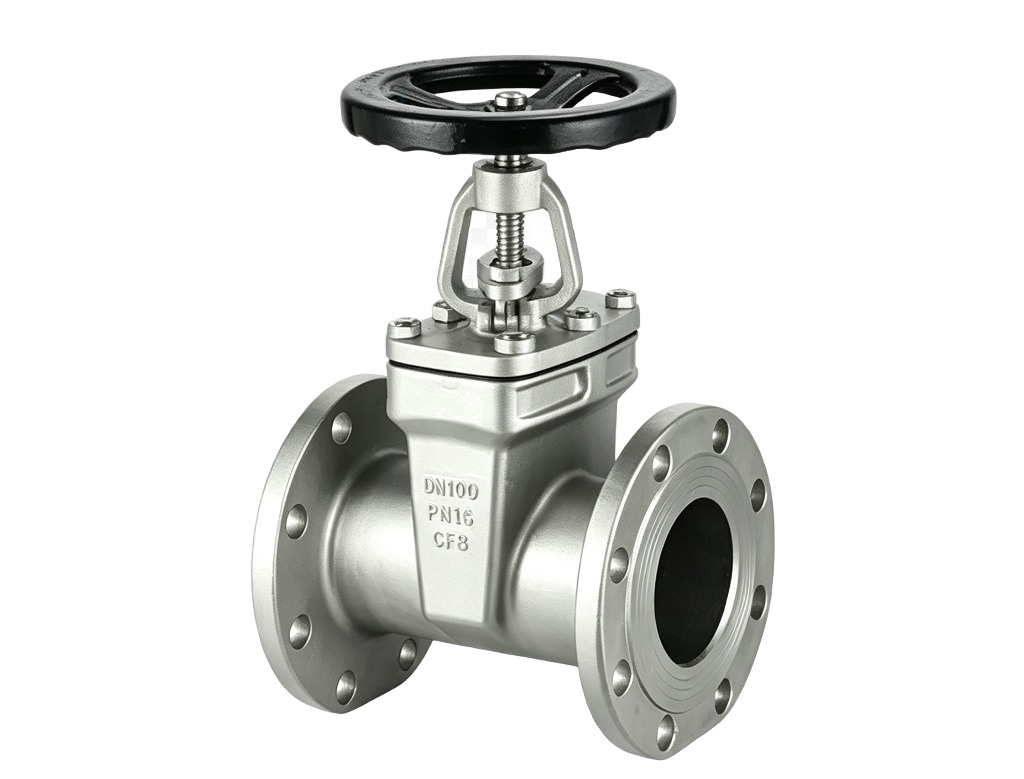
Common Valve Failure Problems
Troubleshooting Process
Problem Identification → Technical Analysis → Failure Investigation → Corrective Recommendation → Solution Verification
Engineering Capabilities
Frequently Asked Questions
Yes. Troubleshooting findings can provide valuable engineering input for product improvement and customization projects.
When recurring failures are identified, our engineers can review potential improvements, including:
- Valve structural optimization
- Seat and packing material selection
- Actuator configuration
- Pressure and temperature considerations
- Manufacturing process adjustments
In this way, OEM partners can continuously improve product reliability based on actual operational feedback.
Regular valve maintenance focuses on planned inspection, maintenance and replacement based on operation plan.
Valve troubleshooting is usually carried out when unexpected problems occur, such as leakage, abnormal operation, performance changes, or sudden equipment failure. It focuses on identifying the actual failure mechanism before recommending corrective actions. This assist customers avoiding unnecessary component replacement and reduce running downtime.
Other than identifying the direct cause of a valve problem, it is helpful to judge whether the failure is related to design limitations, material selection, operating conditions, installation practices or maintenance procedures.
By understanding the root causes, you can take preventive measures, such as:
- Choose more suitable sealing materials
- Improve valve design parameters
- Adjust operating procedures
- Upgrade components for demanding applications
For OEM valve brands, failure analysis can also provide valuable feedback for improving future product designs and reducing repeated field issues.
Providing accurate operating information helps engineers identify potential failure causes more efficiently.
Customers are advised to prepare the following information:
- Valve model and specification
- Valve drawings or datasheets
- Medium characteristics
- Pressure and temperature conditions
- Operating frequency
- Failure symptoms and timing
- If possible, provide photos, videos or inspection records.
For complex applications, historical operation data and maintenance records are also helpful to judge whether the problem is related to valve selection, installation conditions, material compatibility or long-term operation.
Of couese if sufficient technical information is proviede. In order to analyze problems, we usually review detailed information such as valve specifications, drawings, operating conditions, fault phenomena and inspection records. Base on them, we can help identify possible causes and recommend appropriate corrective measures.