Custom Valve Body Materials for
Every Industrial Application
Some valves break down ahead of their designed service life in industrial working conditions, and picking an unsuitable body material ranks among the top causes of this early failure.These influencing factors include working temperature, system pressure, fluid chemical properties, and surrounding ambient environment. BallValve Technology can provide bodies to resist the joint impact of multiple factors at the same time.
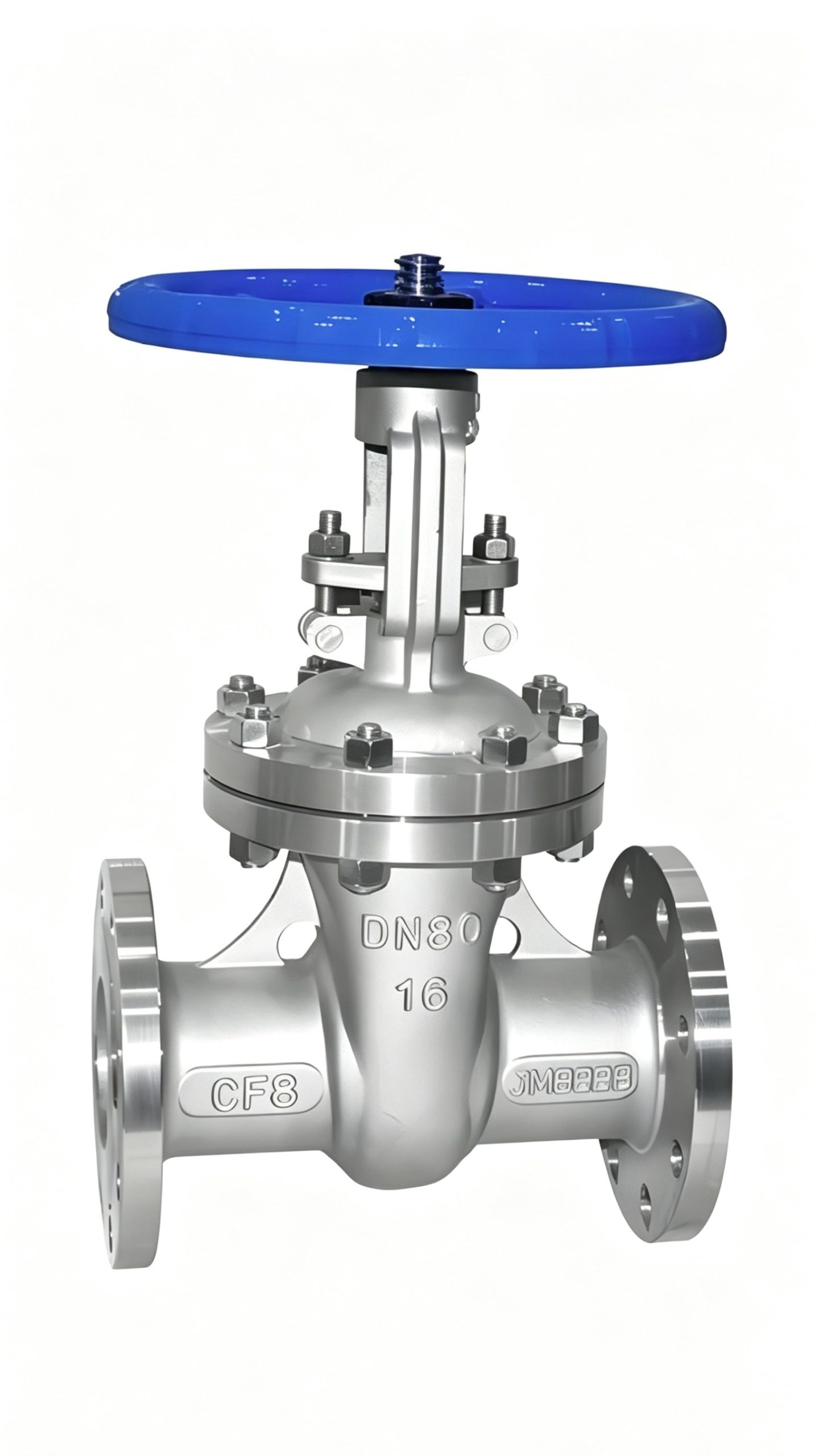
What Body Materials Can We Customize?
| Icon | Material | Best For |
|---|---|---|
| SS | Stainless Steel 304/304L | Food, water, general chemicals |
| SS | Stainless Steel 316/316L | Marine, chloride media |
| CS | Carbon Steel WCB/WCC | Oil & Gas |
| LTCS | LCC/LCB | Low temperature |
| Duplex | ASTM A890 4A/5A | Offshore |
| Alloy | Hastelloy C276 | Strong acids |
| Alloy | Monel 400 | HF, seawater |
| Ti | Titanium | Extreme corrosion |
| Others | Customer Specified | OEM Projects |
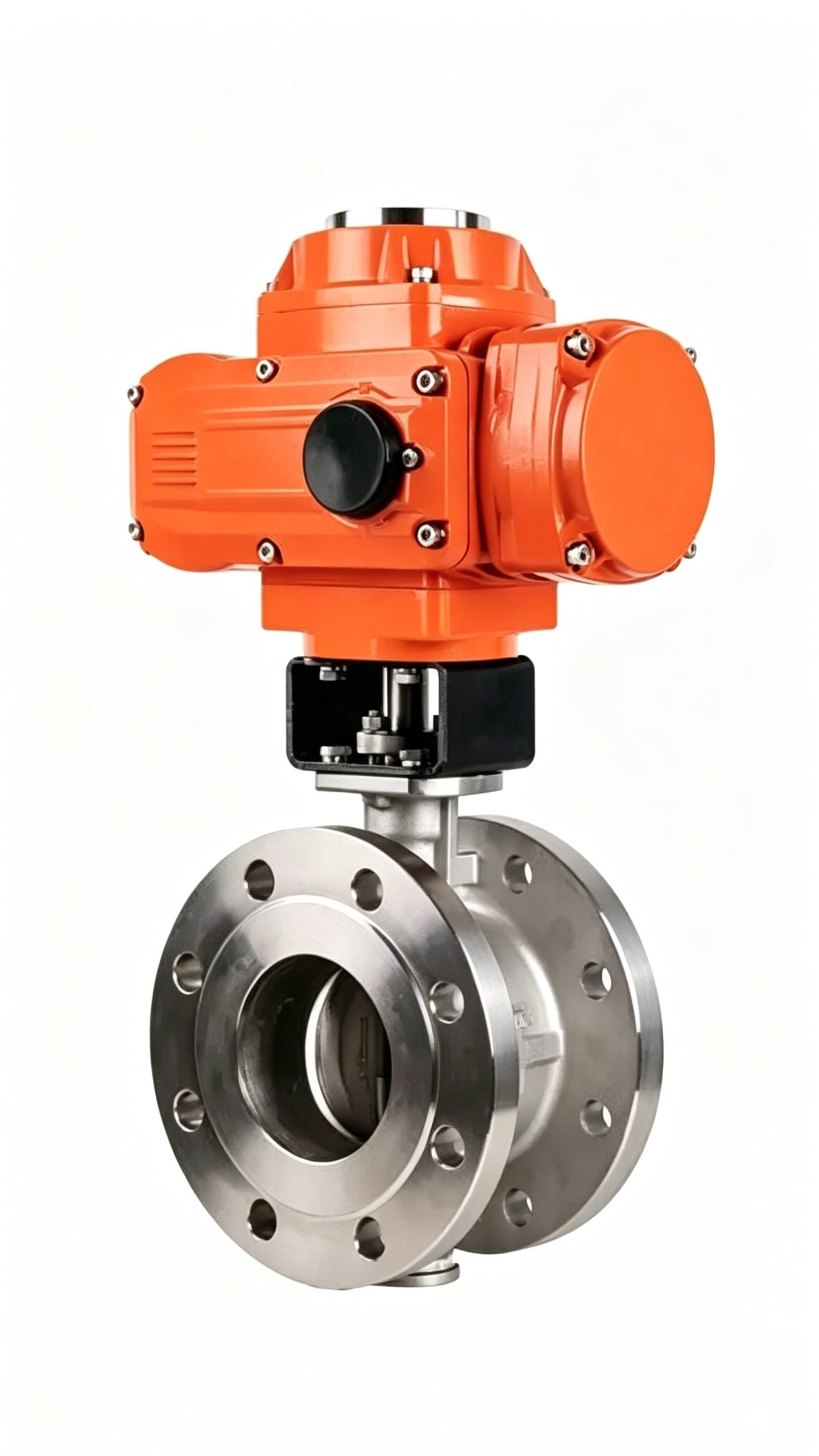
Selection Guide
Temperature range (min/max)
Maximum pressure
Process media (composition, contaminants)
Installation environment (indoor, outdoor, offshore, coastal). For specific challenges, refer to our industry application guides.
Cyclic or continuous operation
Applicable standards (ASTM, ASME, API, NACE)
| Oil & Gas | Seawater | Chemical Processing | Food & Pharma |
|---|---|---|---|
| WCB LCB A105 | 316L Duplex Super Duplex Titanium | 316L Hastelloy Alloy 20 | 316L CF3M |
Carbon steel generally offers the lowest initial cost and performs well in non-corrosive applications. In more aggressive environments, stainless steel or specialty alloys may reduce maintenance requirements and extend service life. Evaluating lifecycle cost rather than purchase price alone often leads to a more economical solution.
| Material | Corrosion Resistance | Temperature | Cost | Typical Use |
|---|---|---|---|---|
| WCB | ★★ | High | $ | Oil |
| 304 | ★★★ | Medium | $$ | Water |
| 316 | ★★★★ | Medium | $$$ | Marine |
| Duplex | ★★★★★ | High | $$$$ | Offshore |
| Hastelloy | ★★★★★ | High | $$$$$ | Acid |
| Titanium | ★★★★★ | Medium | $$$$$ | Chloride |
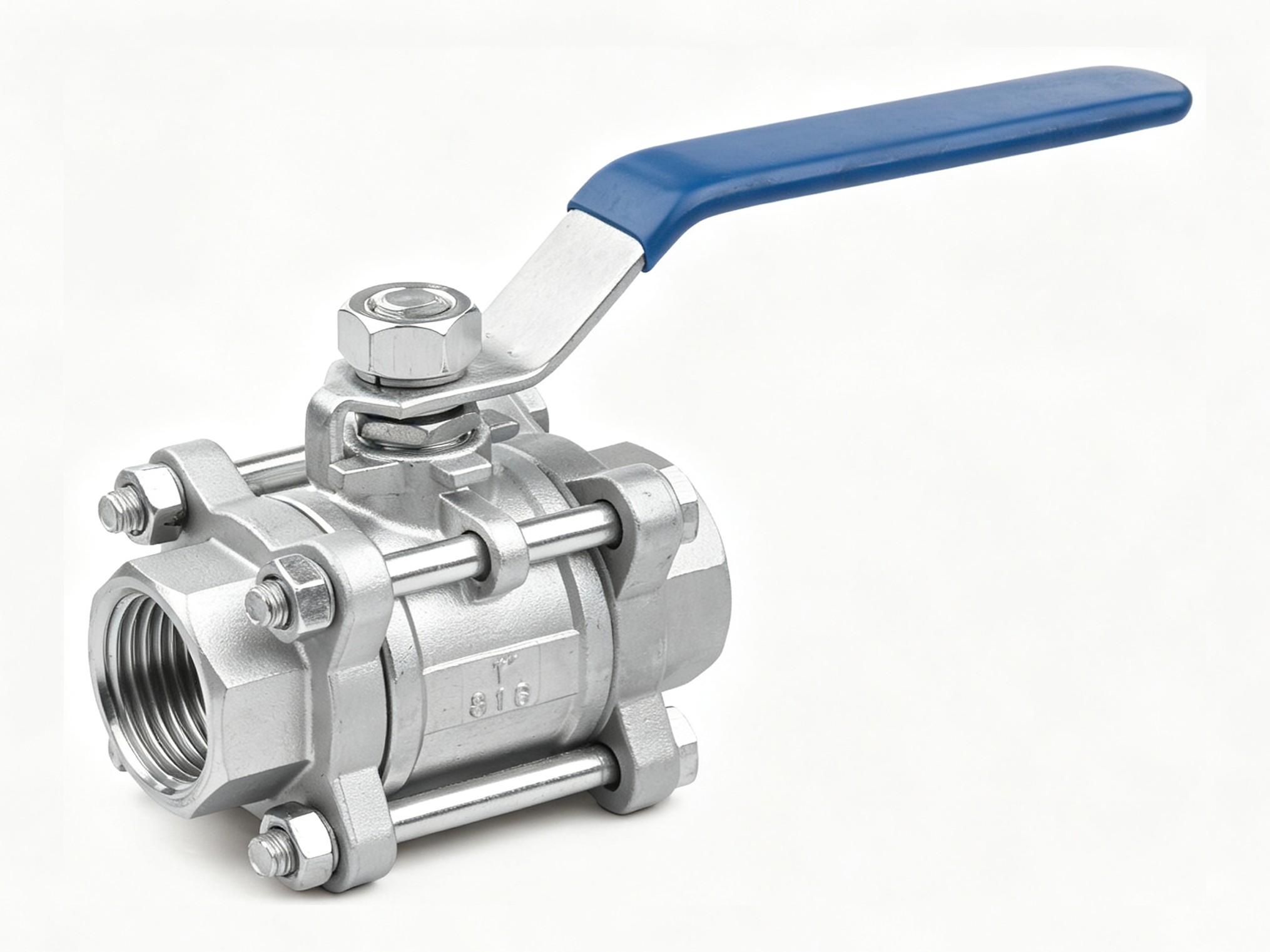
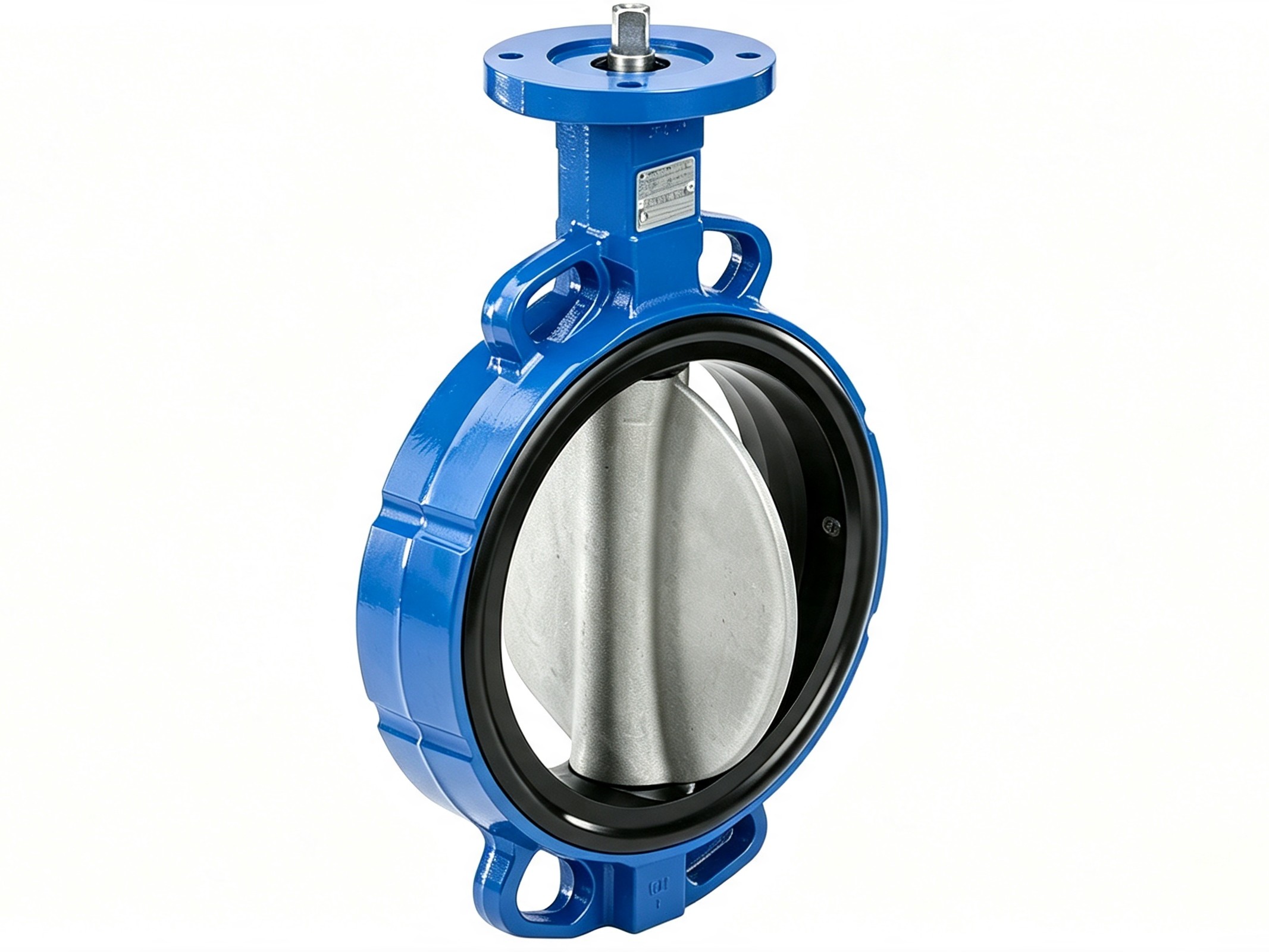
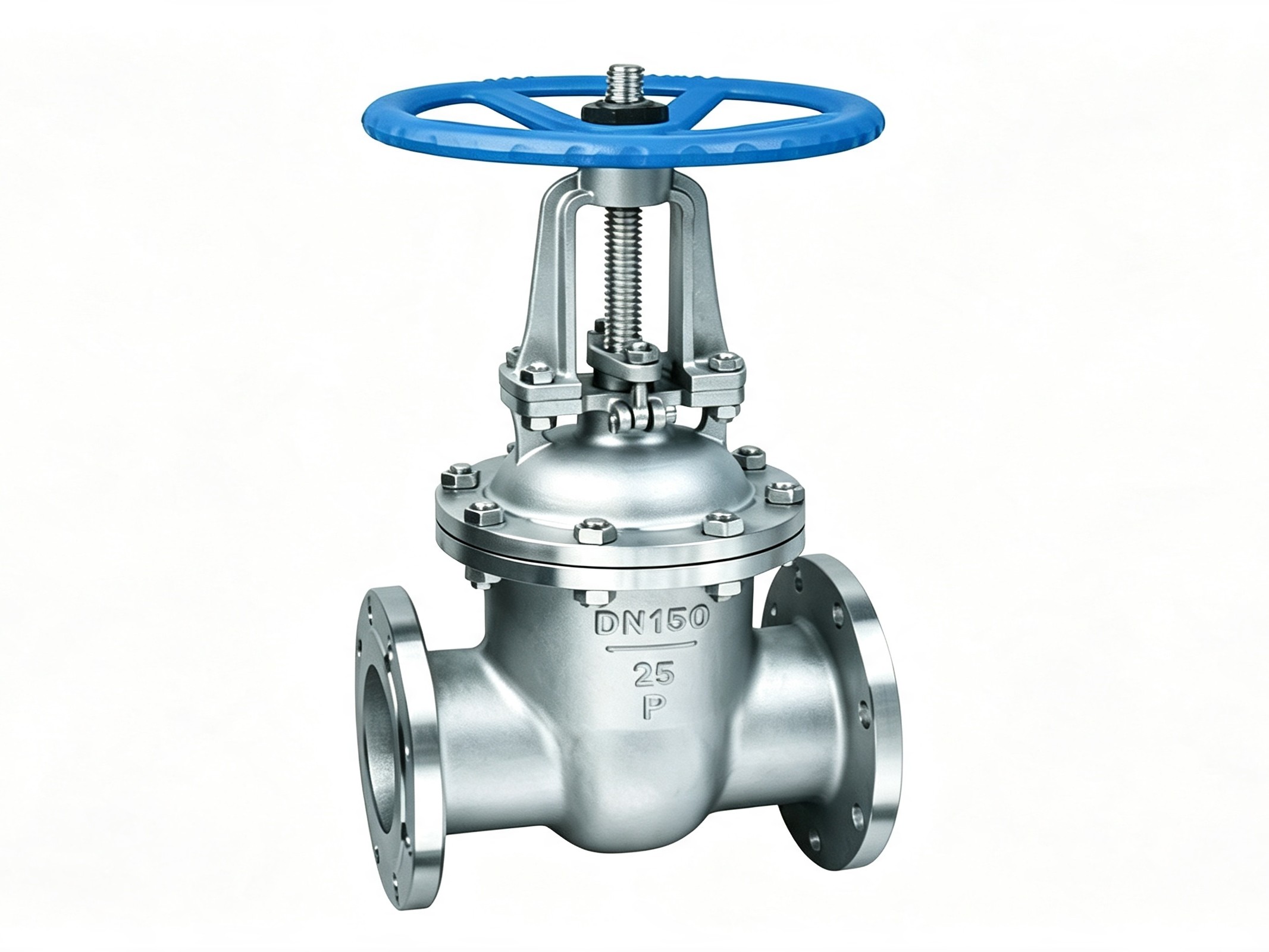
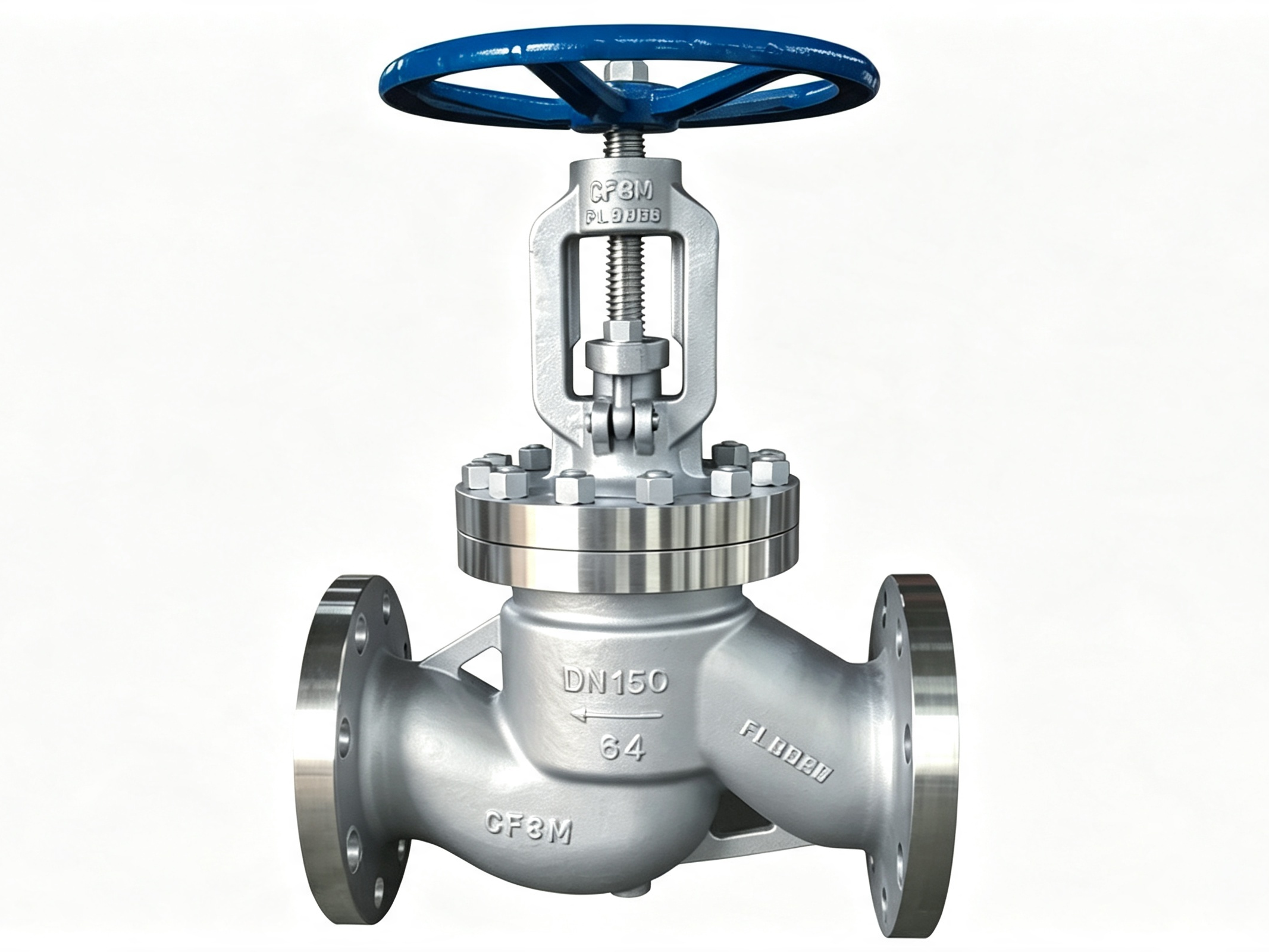
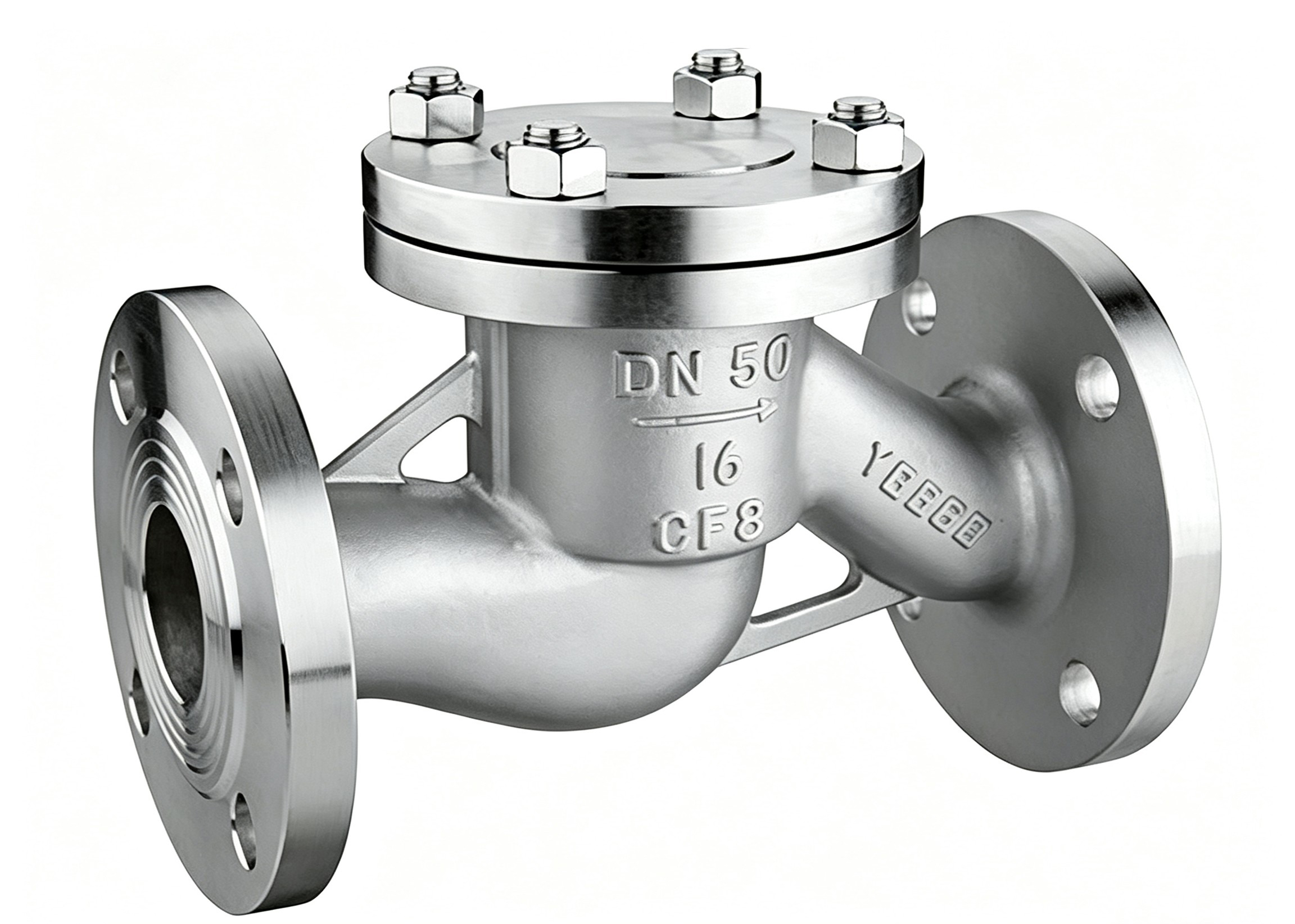
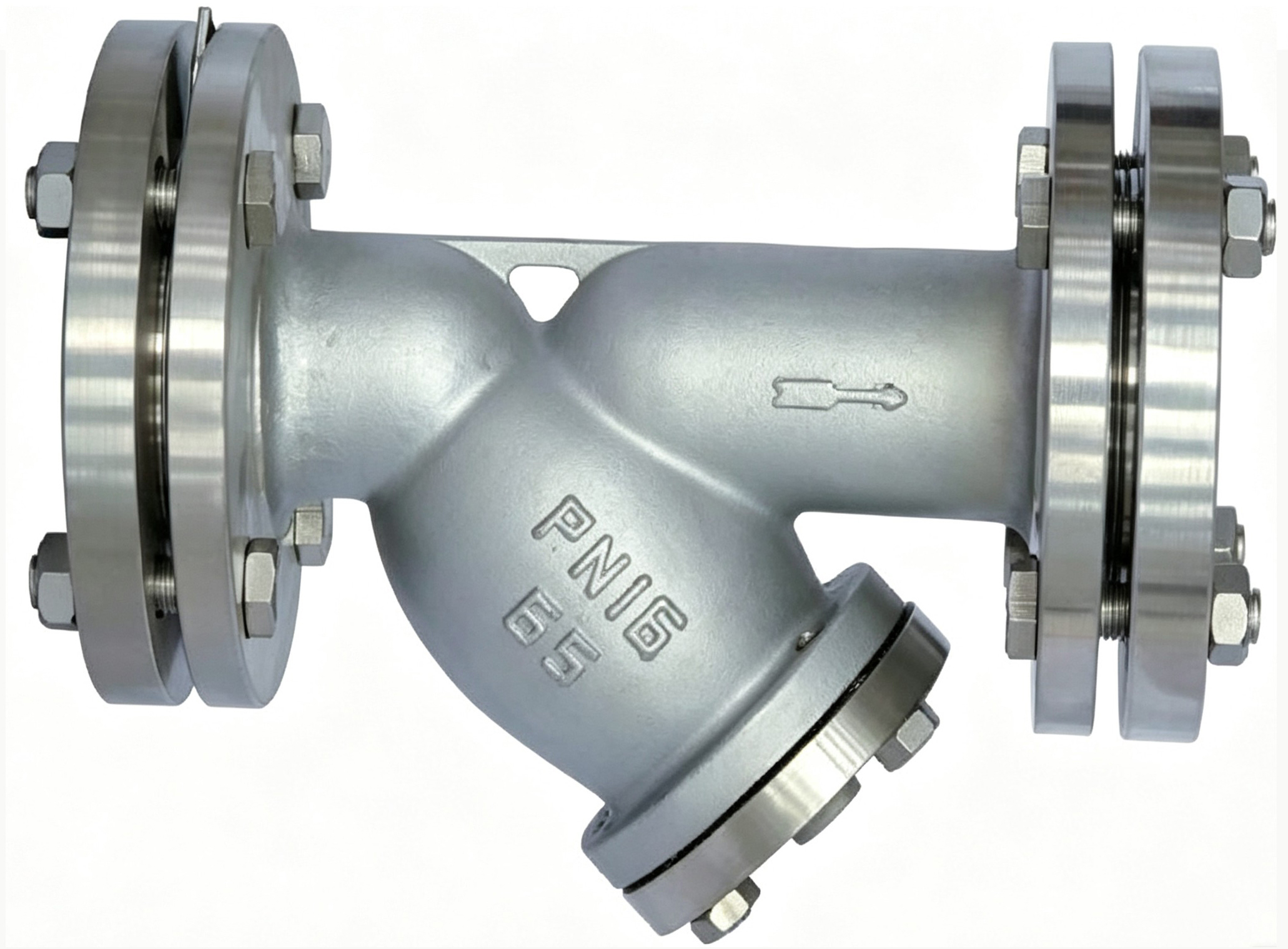
International Material Standards We Support





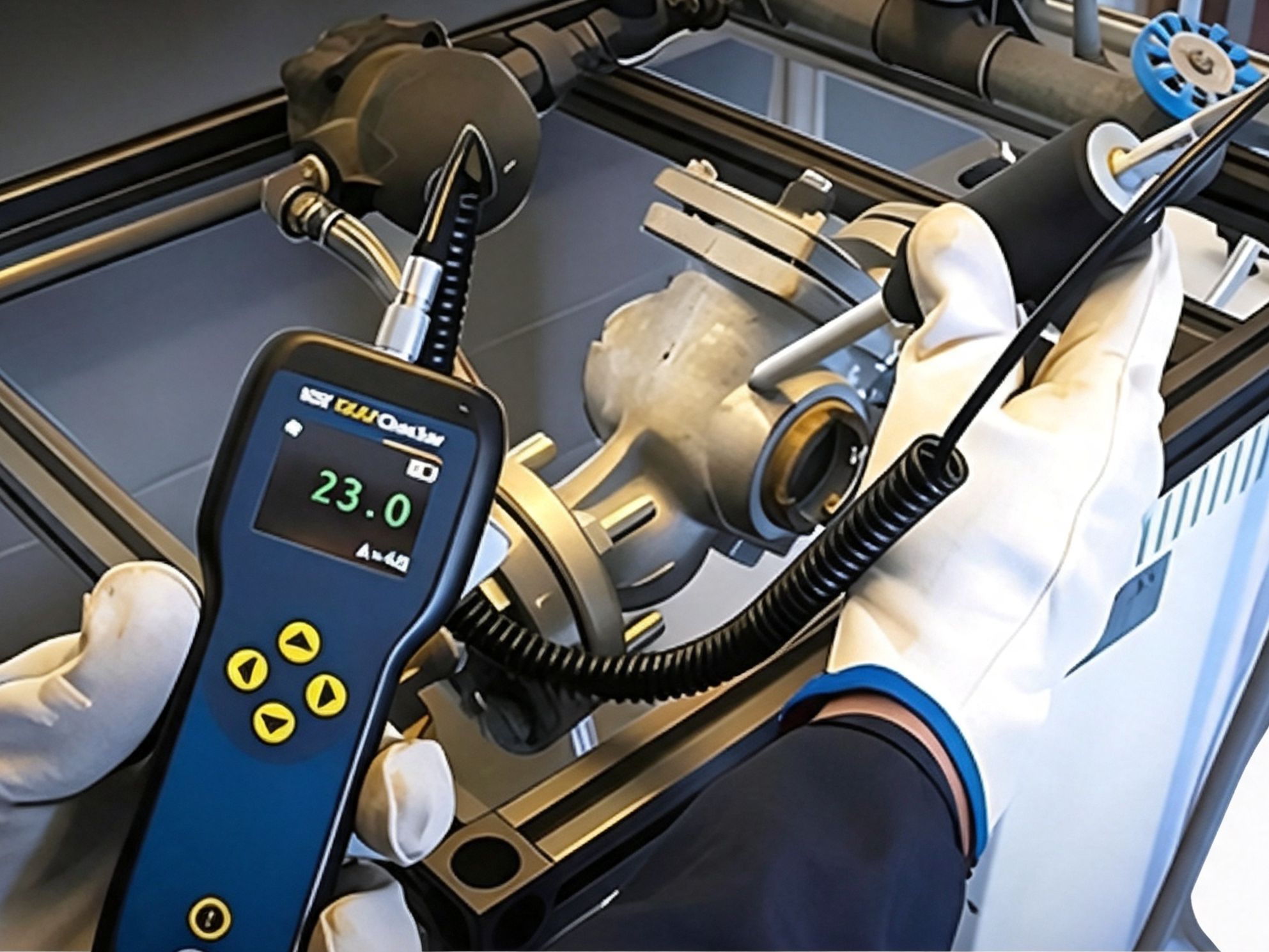
How We Ensure Material Quality
Frequently Asked Questions
Yes. For sour service, materials can be supplied per NACE MR0175 / ISO 15156 with:
Material qualification
Hardness control (≤22 HRC for carbon steel)
Heat treatment verification
Chemistry verification
Additional inspection and documentation
It depends on your demands.
Cast: Complex shapes, larger sizes, cost-effective production.
Forged: Better grain structure and mechanical properties for high-pressure, high-temperature, or severe service.
We advise you to choose based on valve size, pressure class, service conditions, and project specs.
Rest assured that the products from our factory meet the international standards you require.
For a custom valve body, the documents usually are:
Mill Test Report (MTR)
EN 10204 3.1 Certificate (when specified)
PMI Report
Heat Treatment Record
RT / UT / MT / PT Reports (if specified)
Pressure Test Report
Dimensional Inspection Report
Certificate of Compliance
We will custom manufacture for you as quickly as possible.
Typical lead times:
WCB (carbon steel): 4 – 6 weeks
CF8M/CF3M (stainless): 6 – 8 weeks
Special alloys (Hastelloy, Inconel, Monel): 10 – 12+ weeks
| Characteristic | WCB | WCC | LCB |
|---|---|---|---|
| Specification | ASTM A216 | ASTM A216 | ASTM A352 |
| Service | Standard temp | Standard temp | Low temp |
| Min Temp | -29°C | -29°C | -46°C |
| Max Temp | 425°C | 425°C | 345°C |
| Impact Test | Not required | Not required | Required at -46°C |
Selection: WCB for general service -29°C to 425°C. WCC when higher yield strength is specified. LCB for low-temperature service below -29°C. Below -46°C, use LCC or stainless steel.