Industrial Y-Strainer Manufacturer | Pipeline Debris Filtration for Equipment Protection
Custom Y-Strainer Manufacturer – Pipeline Debris Filtration Solutions
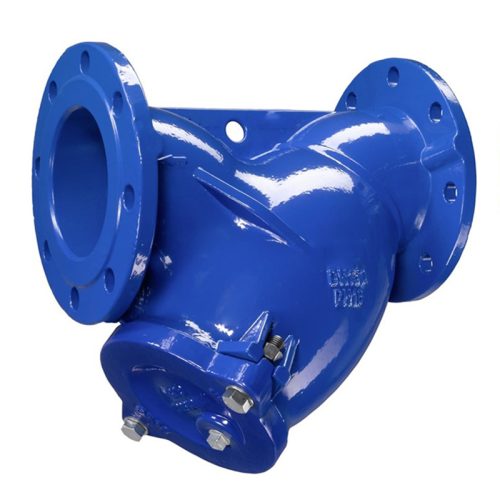
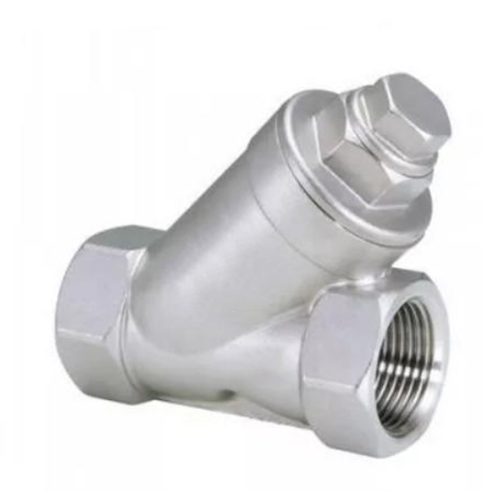
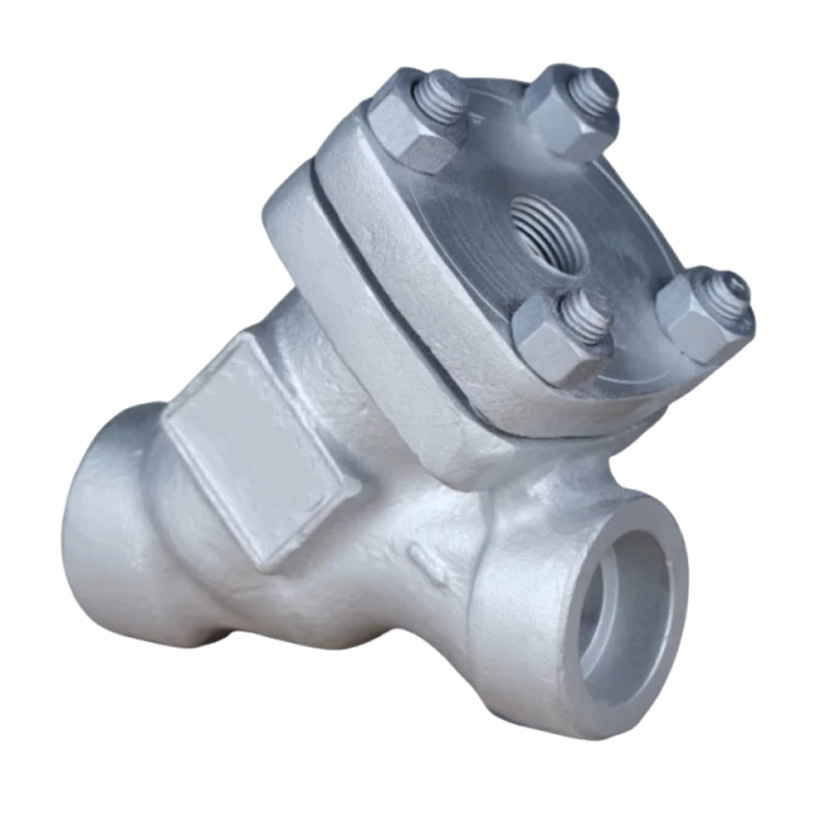
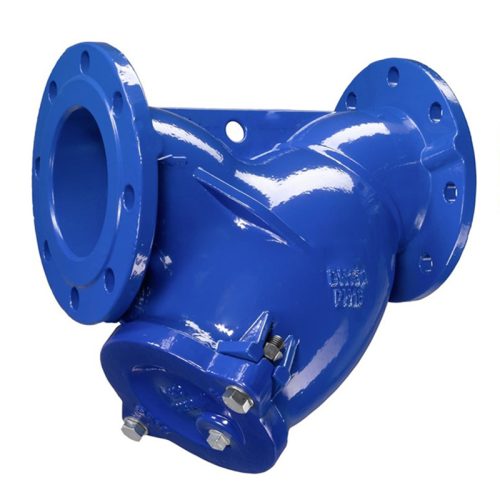
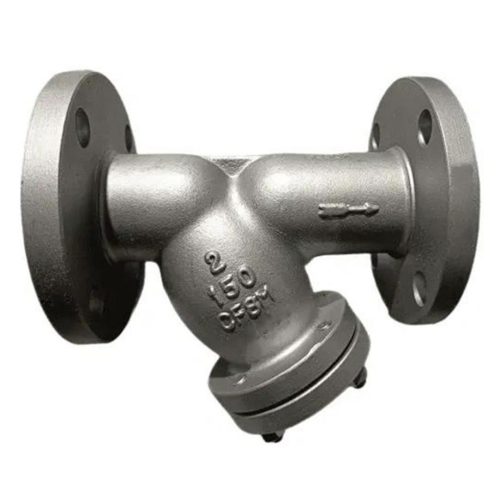
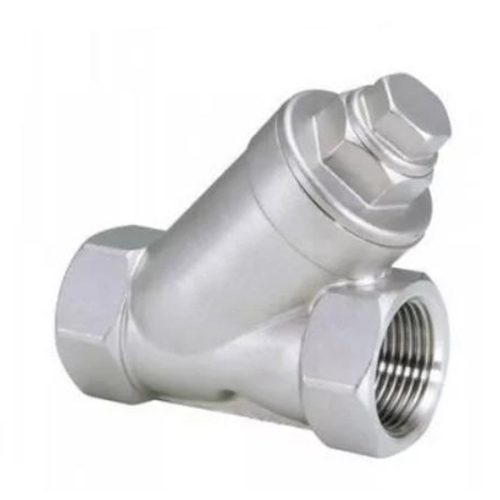
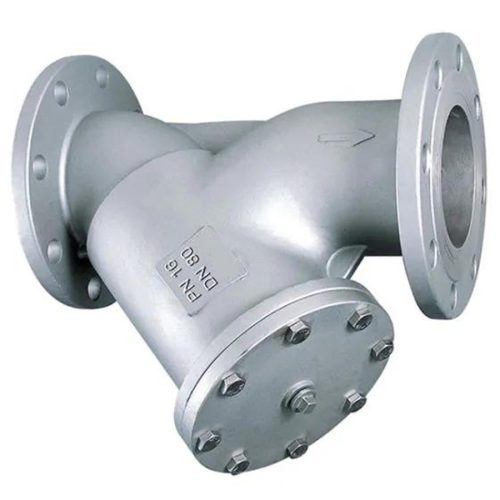
With engineering expertise since 2003, we manufacture high-performance Y-type strainers for mechanical removal of unwanted solids from liquid, gas, and steam systems. Available in cast steel, stainless steel, and alloy materials to protect pumps, control valves, meters, and steam traps.
Our Y-Strainer Portfolio
Our Y-Strainers Filtered By Attributes
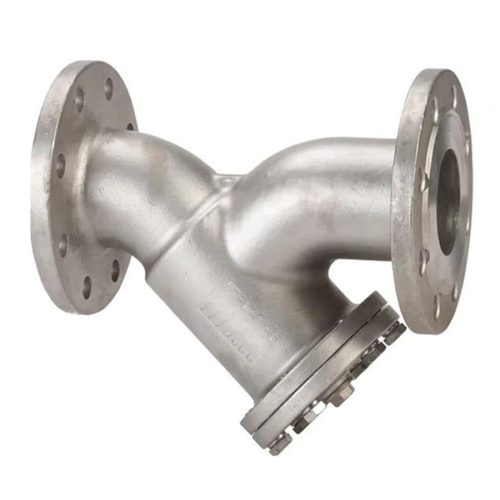
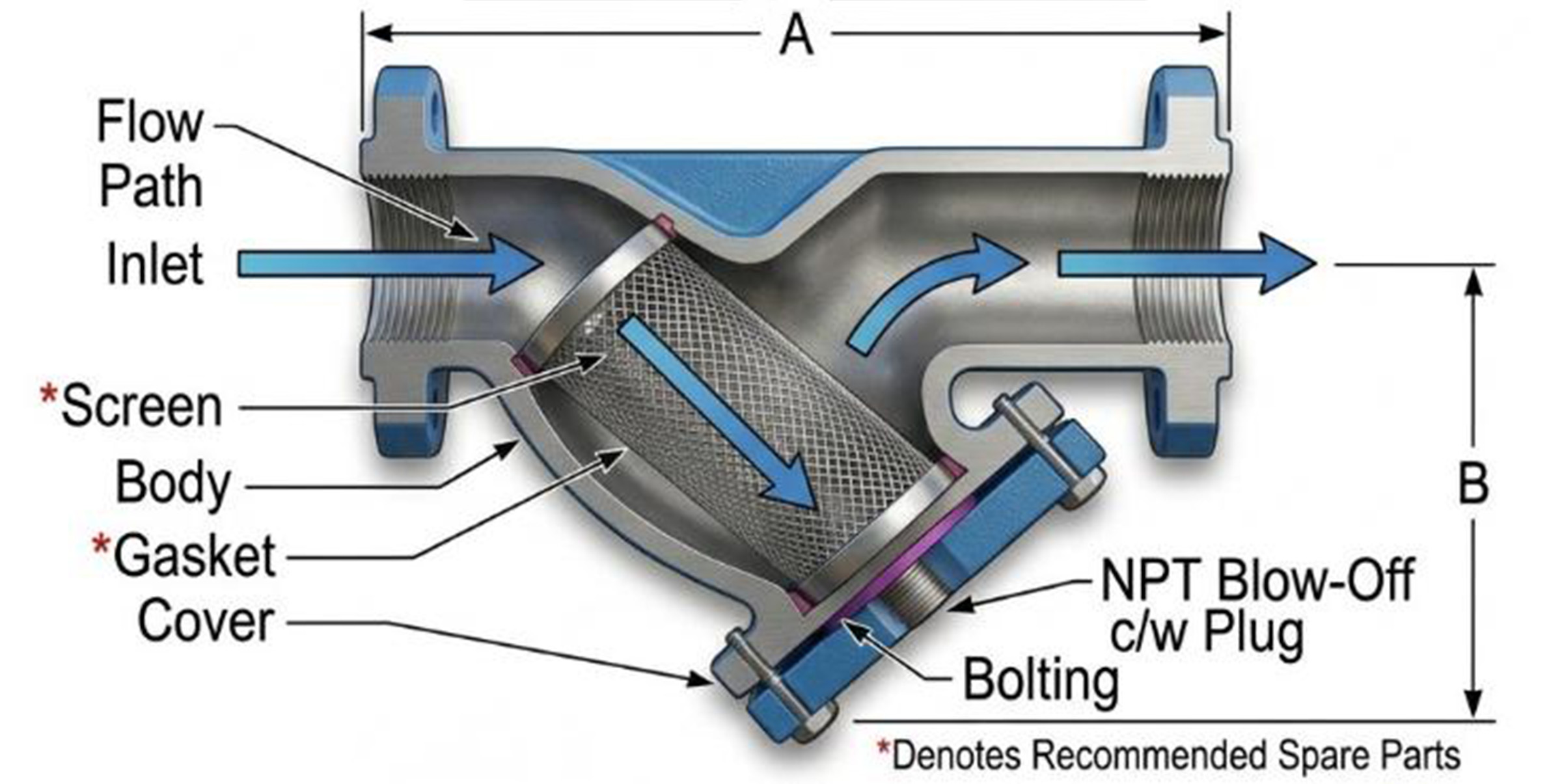
How Do Y-Strainers Work?
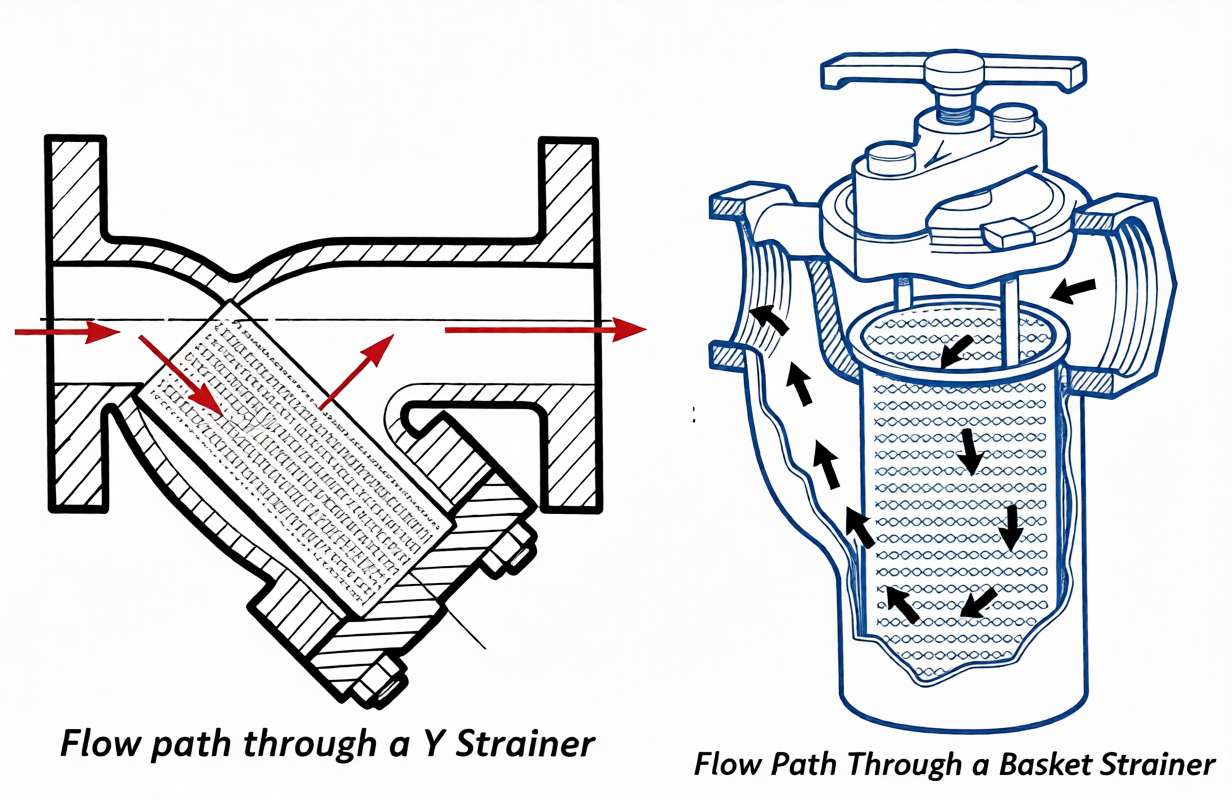
Y-Strainer vs. Basket Strainer (T-strainer)
When selecting a pipeline strainer, the two most common configurations are Y-Strainers and basket strainers (also known as T-Strainers). Both remove solid debris from flow, yet their design differences make each suitable for different applications. Understanding their differences is essential for selecting the right strainer for your system.
| Type | Y-Strainer | Basket Strainer (T-Strainer) |
|---|---|---|
| Best For | Gas, steam, and liquid lines with low-to-moderate solids | Liquid services with high solids loading |
| Pressure Capability | Excellent for high-pressure systems (up to Class 2500) | Typically limited to lower pressures |
| Debris Holding Capacity | Lower — branch leg has limited volume | Higher — large basket holds more debris |
| Installation Orientation | Horizontal or vertical (leg must point downward) | Horizontal only |
| Space Requirement | Compact — fits in tight spaces | Larger — requires more clearance for basket removal |
| Cleaning Access | Remove leg cap or use blow-down port | Remove top cover and lift out basket |
| Typical Applications | Compressed air, steam, natural gas, instrument lines | Cooling water, wastewater, high-flow liquid systems |
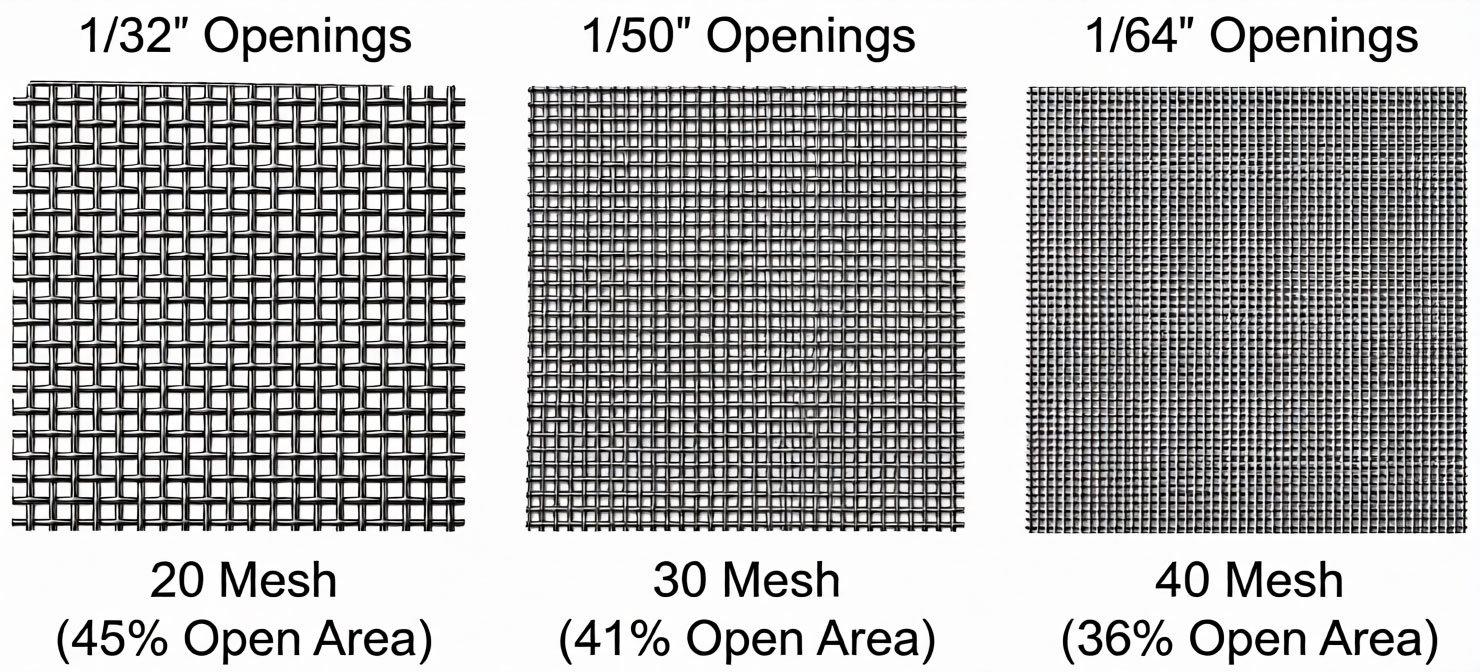
Y-Strainer Mesh Size Selection Guide
Mesh size determines particle retention — higher mesh means finer filtration but greater pressure drop. Select the coarsest mesh that effectively removes your contaminants.
General Rule: Finer mesh = higher efficiency, higher pressure drop. Choose the coarsest mesh that meets your needs.
Industry Y-Strainer Applications
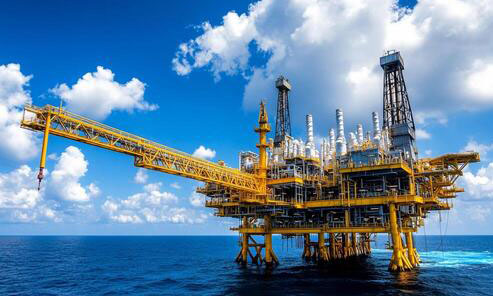
Oil & Gas
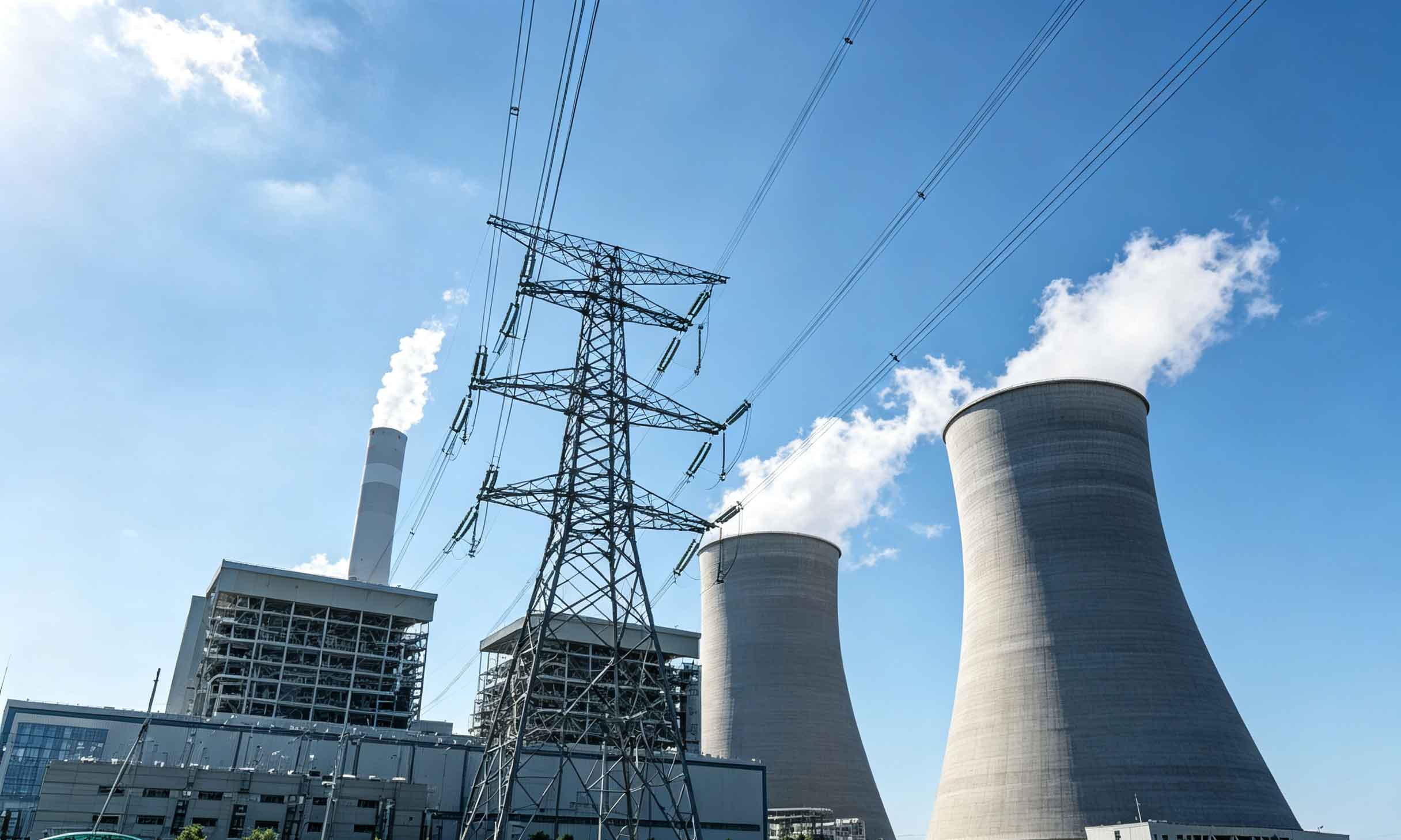
Power Generation
Chemical & Petrochemical

Water Treatment
Authoritative Standards & Compliance Certification
Why choose us?
Precision-engineered strainers backed by deep application knowledge and responsive service — delivering filtration solutions that engineering teams trust.
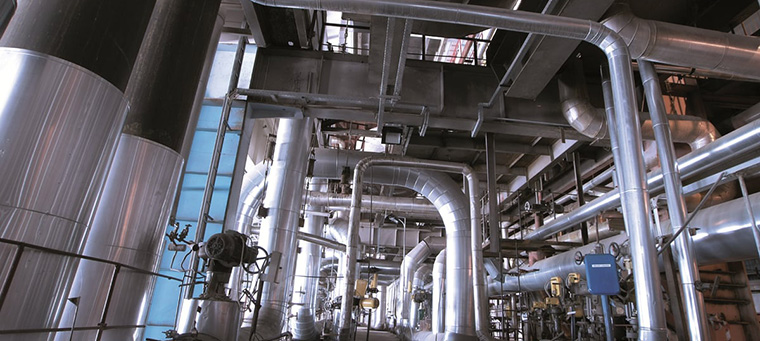
Y-Strainer Expertise Since 2003
Specialized in pipeline strainer R&D and manufacturing since our founding. Our engineering team possesses deep knowledge of strainer design, mesh selection, and pressure drop optimization for liquid, gas, and steam services.
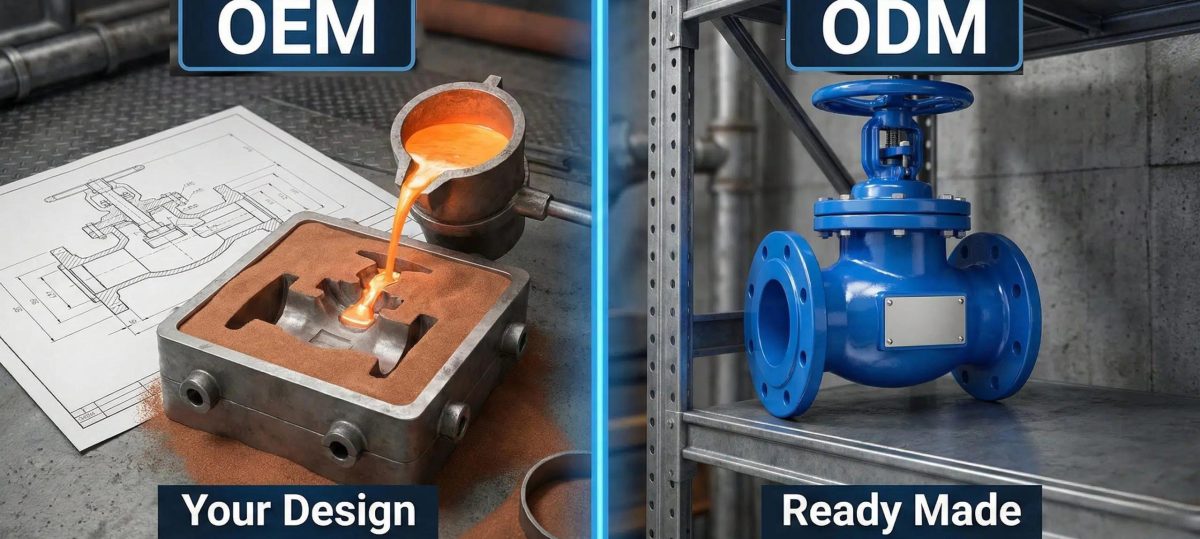
From body material and mesh size to end connections and pressure class, we tailor every Y-Strainer to your exact project specifications. Custom mesh configurations and special materials available upon request.
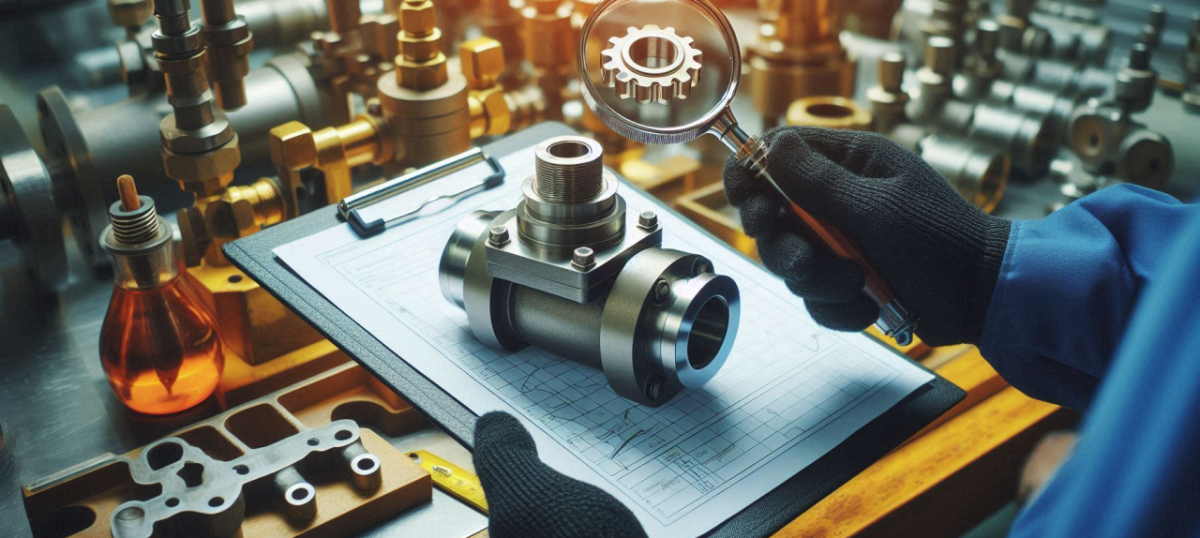
Every Y-Strainer undergoes comprehensive factory testing per API 598, including hydrostatic shell tests and pneumatic closure tests. Detailed test records and material certifications are provided with each shipment.
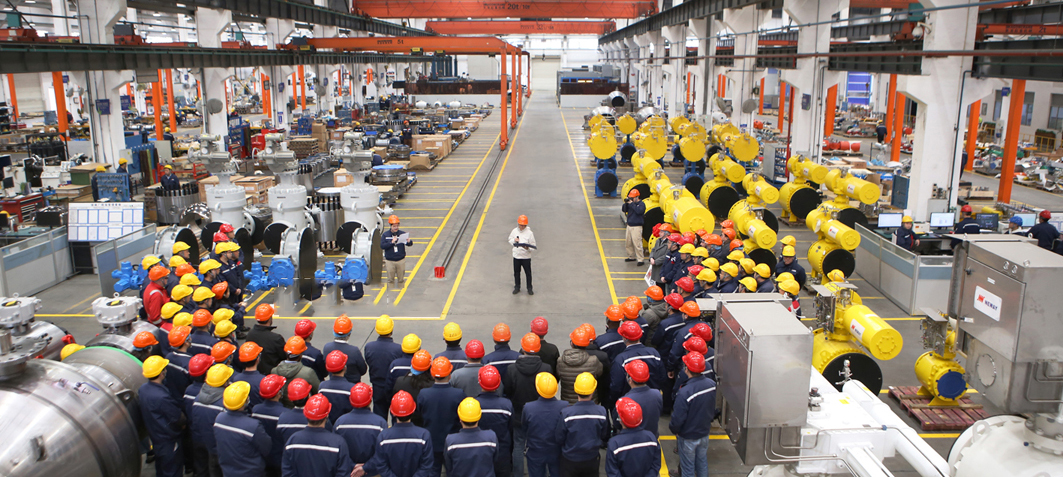
We understand that project schedules are critical.
Our production planning team coordinates closely with our supply chain and manufacturing lines to ensure reliable delivery commitments.
Y-Strainer Selection Tips
Frequently Asked Questions
Cleaning frequency depends on media cleanliness, mesh size, and flow rate. Monitor pressure drop — clean when it increases by 50% from the clean reading (or exceeds 0.5–0.7 bar). Clean gas lines may need annual cleaning; dirty water may need weekly.
Screen lifespan (typically 1–5 years) is affected by abrasion, corrosion, and physical damage during cleaning. Keep a spare screen to minimize downtime.
Yes. Our Y-Strainers are designed per ASME B16.34 and tested per API 598. Cast iron bodies comply with ASME B16.1. End connections follow ASME B16.5, B16.25, or B16.11. Potable water models feature NSF/ANSI 61 & 372 certification. Material test certificates (EN 10204 3.1/3.2) are available upon request.
Y-Strainers are passive devices and do not have actuator mounting interfaces for standard operation. For automated blowdown, we can supply a mounting pad for a ball valve actuator on the blowdown port — this is a custom option. Please contact us for specific requirements.
Y-Strainers don’t have “full-port” designs like ball valves. Flow restriction depends on:
-
Screen open area ratio (OAR): Typically 2:1 to 3:1 for Y-Strainers.
-
Mesh size: Finer mesh increases pressure drop.
Higher OAR = lower pressure drop and longer cleaning intervals. For critical low-pressure-drop applications, consider a larger strainer or basket strainer.
Yes, with correct material selection:
-
Steam: WCB with graphite seals handles up to 425°C; chrome-moly for higher temperatures.
-
Air: Carbon steel is typically sufficient.
-
Acid: Requires 316SS (CF8M), alloys (Hastelloy, MONEL), or PTFE-lined bodies. Screen material must match the acid type.
Always verify the pressure-temperature rating for your specific media.
-
Installation: Install with screen pointing downward in horizontal lines. Match flow arrow direction. Do not overtighten bolts.
-
Maintenance: Depressurize before opening cover. Replace gasket if damaged. After reassembly, perform a low-pressure leak test.
-
Torque: Use a calibrated wrench and star pattern. Typical torque: 50–150 N·m depending on bolt size.
The choice depends on the size of particles you need to capture. As a general guideline:
-
10–20 Mesh (≈841–2000 µm): For coarse straining, such as removing weld slag, rust, or large debris from new pipelines.
-
40–60 Mesh (≈250–400 µm): For general protection of pumps, control valves, and meters.
-
80–100 Mesh (≈149–177 µm): For fine straining, such as protecting spray nozzles or steam traps.
-
Perforated plates (1/32″–1/4″): Used when strength is more important than fine filtration.
If you’re unsure, we recommend starting with a 20–40 mesh for most liquid applications. We also offer custom mesh sizes upon request.
Our Y-Strainers are available in sizes from ½” (DN15) to 24″ (DN600), with pressure ratings ranging from Class 125 to Class 2500 (PN10 to PN420). The specific rating depends on the body material and connection type. For example, cast iron bodies typically follow Class 125/250 per ASME B16.1, while steel bodies follow Class 150/300/600 per ASME B16.5 and B16.34. Please refer to our product datasheets for detailed specifications by model.
| Stage | Procedure | Description |
|---|---|---|
| Before Production | PMI (Positive Material Identification) test | Raw material verification |
| In-Production | Dimensional checks | At critical machining stages |
| Post-Production | High-pressure hydrostatic shell test (1.5× rated pressure) Low-pressure air seat test (0.6 MPa) to verify shut-off Optional tests: helium leak test (ISO 15848), fire-safe test, or cryogenic test | Final assembly testing |
| Quality Inspection | Marking verification, coating/painting thickness measurement, and preparation of traceable test reports | Visual & documentary check |
All test records are archived for a minimum of 10 years and can be provided with each shipment. Or you can specify any third-party test institutions.
Our manufacturing facility is certified to ISO 9001:2015 for design, production, and after-sales service of industrial valves. Additionally, we hold ISO 14001:2015 (environmental management) and ISO 45001:2018 (occupational health and safety). All our ball valves for the European market comply with PED 2014/68/EU, and we can supply valves with ATEX certification for explosive atmospheres upon request. Our quality system is audited annually by third-party notified bodies.
Absolutely. For standard ball valves, we can offer off-the-shelf samples of common sizes (1/2″ to 4″) at a discounted price, with a refundable deposit that can be credited toward a future bulk order. For custom or larger sizes, we accept small trial orders (as few as 2–5 pieces) after a non-recurring engineering (NRE) fee is agreed. The NRE fee will be waived once the customer proceeds to a production order of 50 pieces or more.
We offer flexible payment terms based on order value and customer history. For standard orders: 30% deposit by T/T (wire transfer) with 70% balance before shipping. For larger or repeat customers, we can consider 20% deposit + 80% balance payment.
- For standard models, the minimum order quantity (MOQ) is usually 100 pieces per size. For sizes that are in stock, it takes 3 to 5 business days to ship after you place your order. Our usual lead time for making standard catalog valves that aren’t in stock is 15 to 25 business days after we get your order and approve the drawing.
- Custom models (with special materials, pressure classes, actuator mounting, custom logos, etc.): The minimum order quantity (MOQ) varies, so please get in touch with our sales team for a full quote. The lead time is usually 15 to 45 days, depending on how complicated the process is. Also, we offer a mixed-model consolidation service for distributors to help them deal with their inventory problems.