Custom HVAC System Valve Manufacturer
HVAC Valves Engineered for Energy Efficiency & System Reliability
Ball valves, butterfly valves, globe valves, and Y-Strainers for chilled water, heating, and condenser water systems. ISO 9001 certified. Custom OEM solutions available.
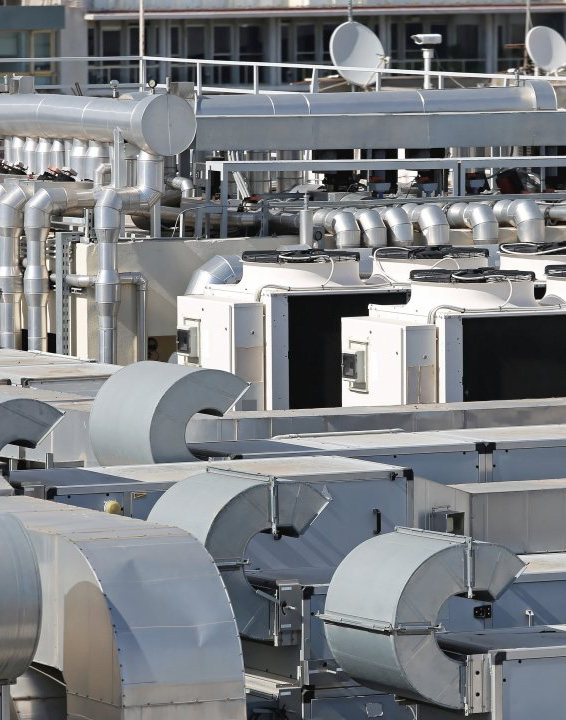
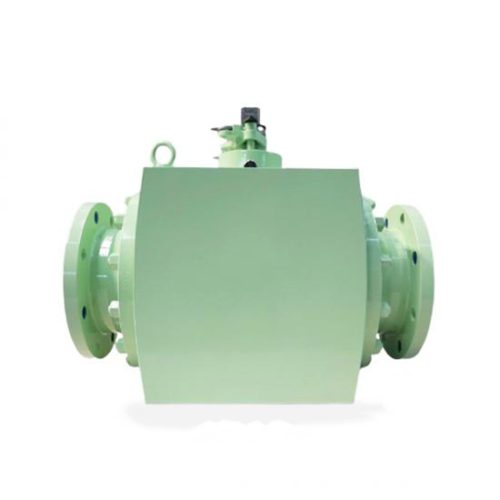
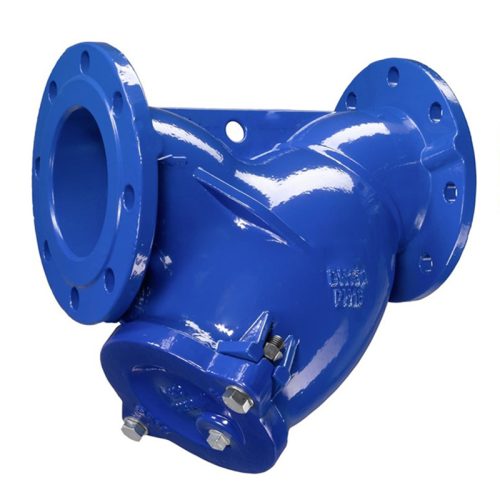
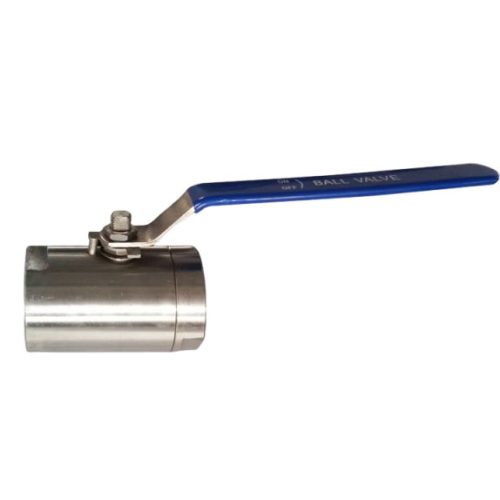
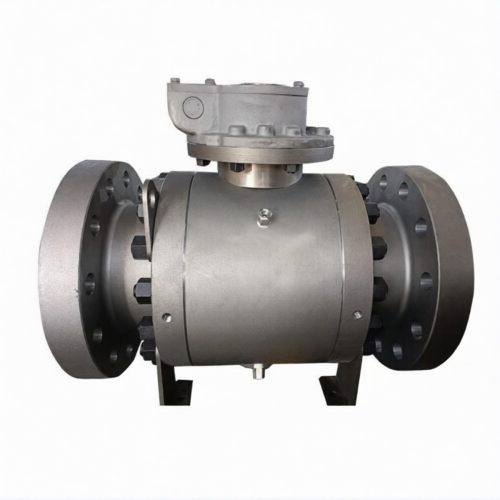
Custom Valves for HVAC Systems
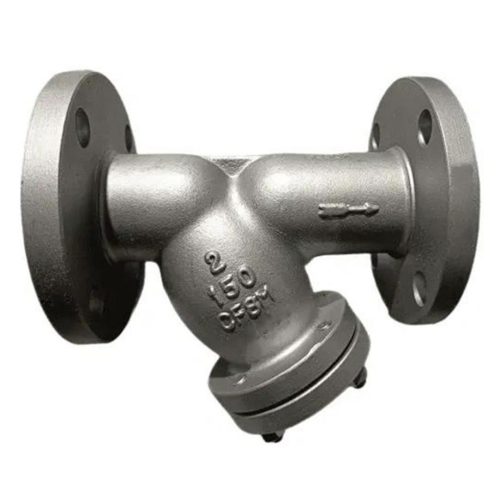
Valve Challenges in HVAC Systems
HVAC systems account for approximately 35 to 47 percent of a commercial building’s total energy use. For engineers and facility managers, three core challenges consistently arise:
| Challenge | Implication | Our Solution |
|---|---|---|
| Energy Waste from High Pressure Drops | Oversized or poorly selected valves increase pump energy consumption by 10-20%. | Precision-sized valves with optimized flow paths, reducing pressure drop and pump energy costs. |
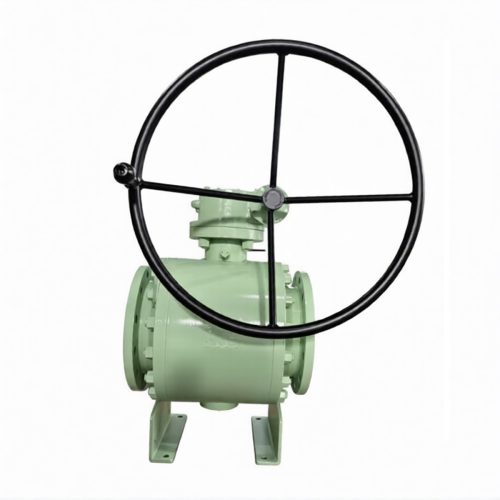
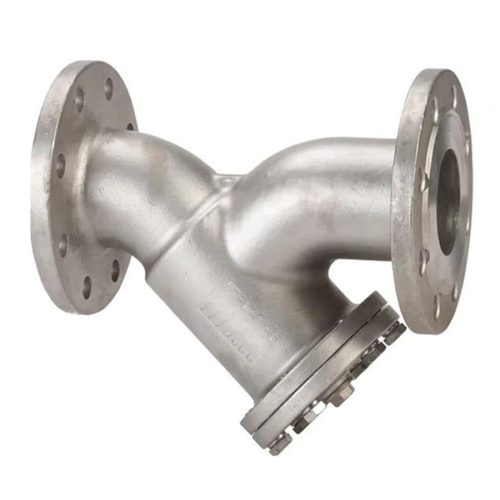
| Maintenance Downtime | Isolation and control valves fail or require service, disrupting building comfort. | 3-piece ball valves and Y-Strainers with blow-down ports for in-line maintenance, reducing downtime by up to 80%. |
| System Reliability Issues | Valve leakage, seat wear, and debris damage cause temperature fluctuations and equipment failure. | Bubble-tight shut-off (PTFE seats), Stellite hardfacing for durability, and Y-Strainers to protect downstream equipment. |
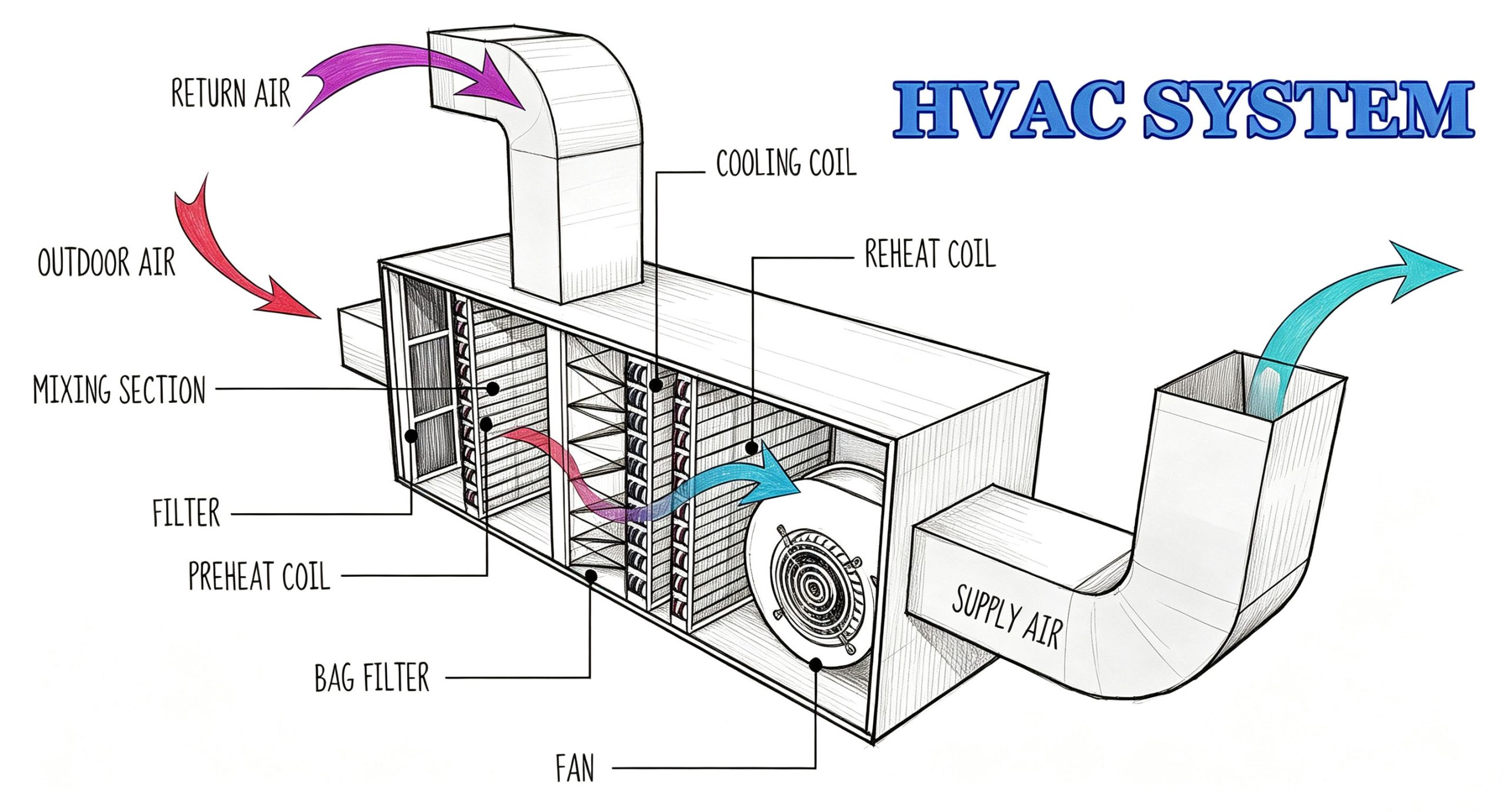
Valve Solutions for HVAC Systems
HVAC Valve Solutions – Find Your Match
| HVAC Subsystem | Common Valve Types | Core Function | Recommended Materials | Key Parameters |
|---|---|---|---|---|
| Chilled Water System | Butterfly Valve, Ball Valve | Isolation, flow regulation | Ductile iron, Stainless Steel (CF8/CF8M) | PN16/PN25, -10°C to 80°C |
| Hot Water / Heating System | Globe Valve, Gate Valve, Ball Valve | Precise throttling, low-resistance isolation | WCB, Stainless Steel | PN25/PN40, up to 180°C |
| Condenser Water System | Butterfly Valve, Check Valve, Y-Strainer | Isolation, backflow prevention, debris filtration | Ductile iron with epoxy coating, Duplex SS | PN16, 18°C to 35°C |
| AHU / FCU Coil Connections | Ball Valve (2/3-piece), Control Valve | Temperature control, maintenance isolation | Stainless Steel, Brass | PN16/PN25, 4°C to 82°C |
| Steam System | Globe Valve (Y-type), Bellows Seal Valve | Precise flow regulation, zero-leakage stem seal | WCB, Alloy Steel, F316 | PN40, up to 200°C |
Authoritative Standards & Compliance Certification



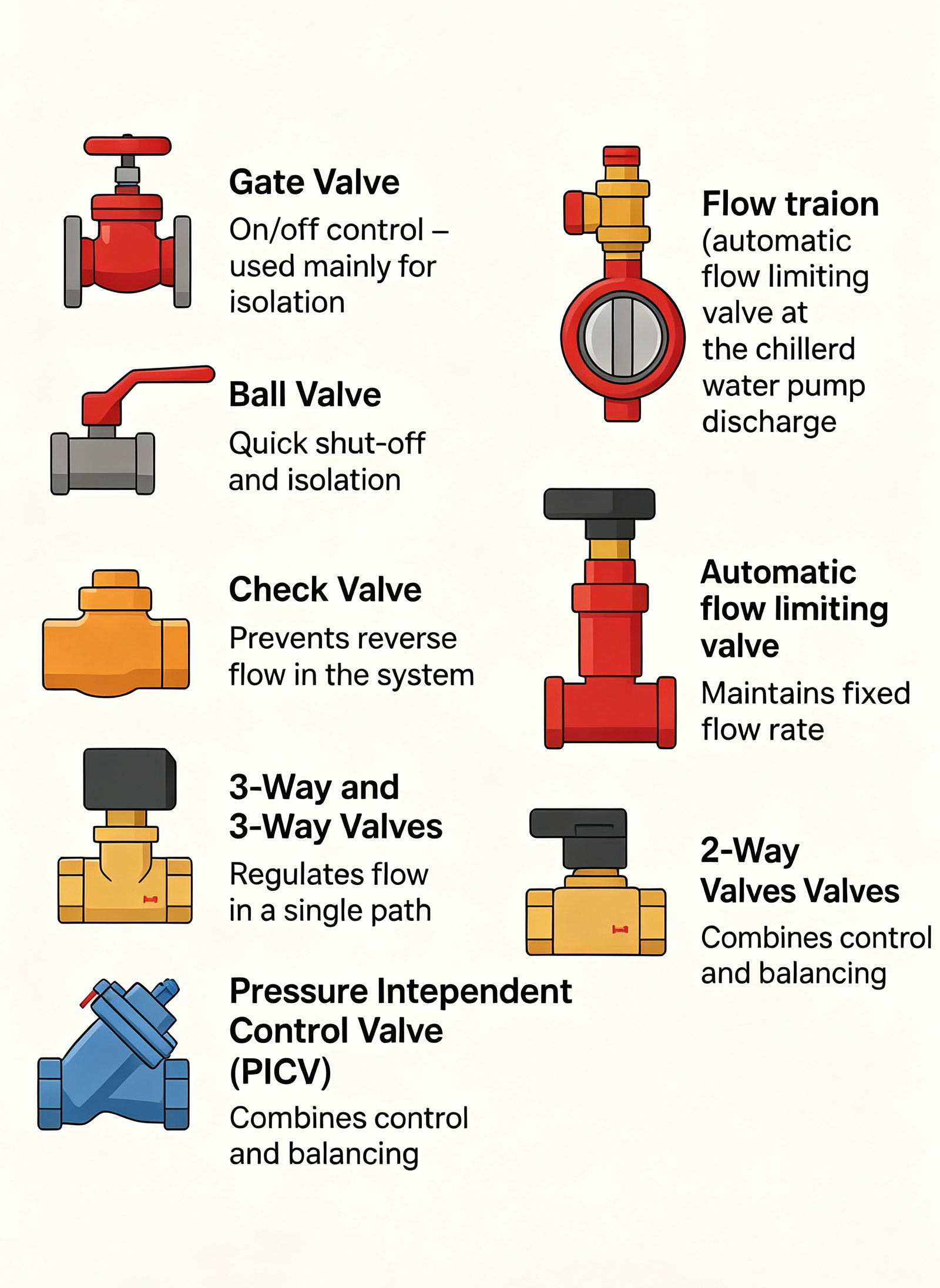
HVAC Valve Selection Guide
Frequently Asked Questions
Yes. NACE MR0175/ISO 15156, ATEX, PED 2014/68/EU, and API 607/6FA fire-safe certifications are available upon request. Please specify your requirements when requesting a quote.
Standard in-stock models: 3-5 business days. Custom orders (special materials, dimensions, coatings, actuators): 15-45 days depending on complexity. Expedited production available for urgent projects.
Yes. All valves feature ISO 5211 standard mounting pads, compatible with major actuator brands. We can supply pre-mounted actuators supporting 0-10V, 4-20mA, Modbus RTU, BACnet MS/TP, and MP-Bus protocols for seamless integration with Schneider Electric, Honeywell, Johnson Controls, and others.
Ductile iron with epoxy coating is the standard choice, offering good corrosion resistance at moderate cost. For aggressive water chemistry or higher chlorides, stainless steel (CF8M) or duplex stainless steel is recommended. EPDM seats are standard for the 18°C to 35°C range. Y-Strainers with stainless steel mesh should be installed upstream to protect against cooling tower debris.
Butterfly valves and ball valves are the two most common types.
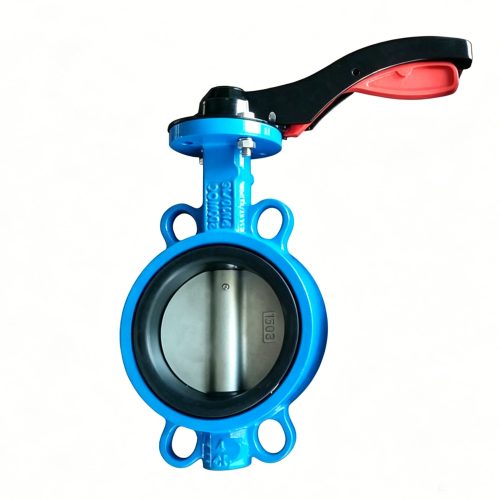
Butterfly valves are preferred for main lines and large diameters (DN50 and above) for isolation. Their compact design saves space, and they offer low flow resistance when fully open, reducing pump energy consumption. EPDM or NBR seats provide reliable sealing within the typical 4°C to 13°C range.
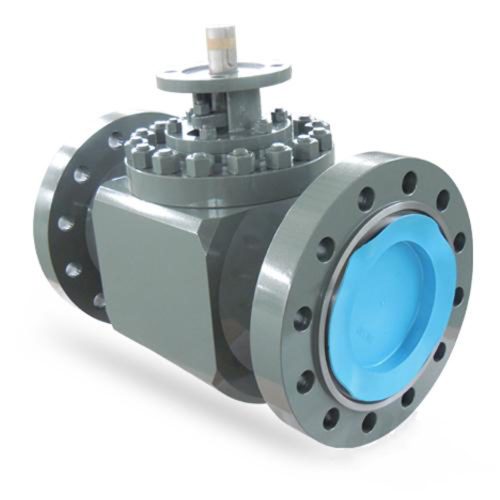
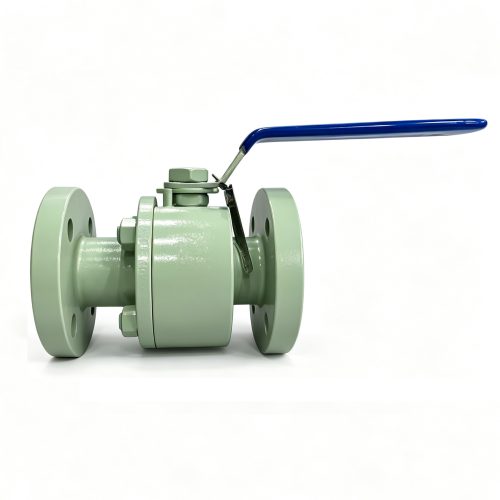
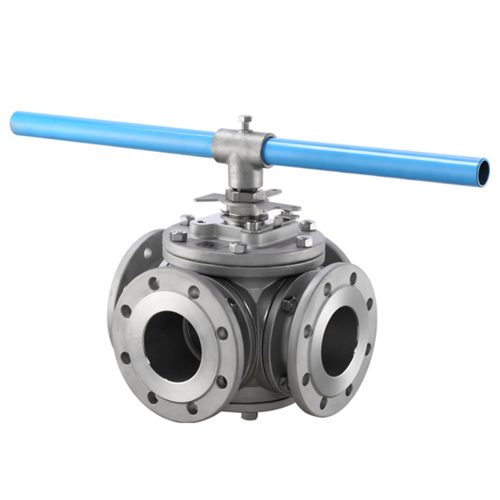
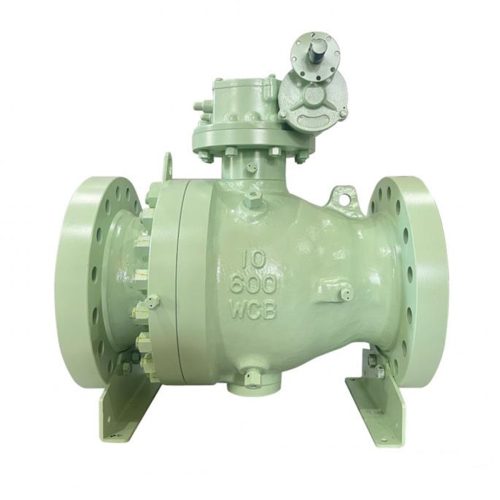
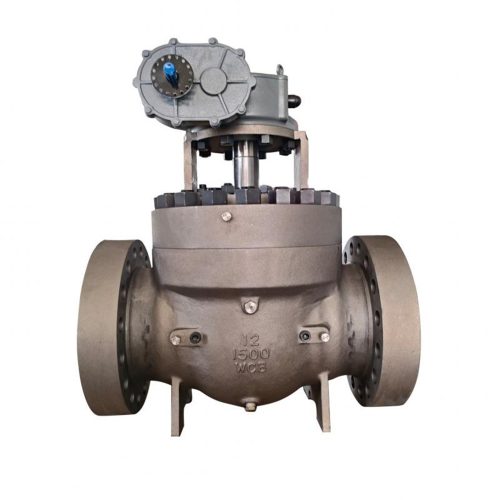
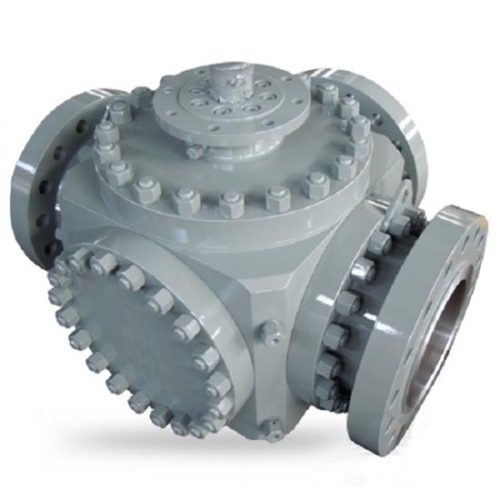
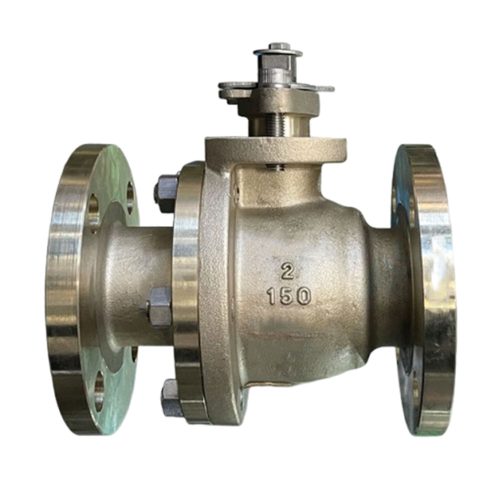
Ball valves are widely used on branch lines and AHU/FCU connections. PTFE seats deliver near-zero leakage shut-off, critical for frequent isolation. For critical equipment, 3-piece ball valves allow in-line maintenance without full valve removal, reducing downtime by 60-80%.
For systems with glycol or aggressive water treatment, stainless steel (CF8/CF8M) is recommended over cast iron or brass.
| Stage | Procedure | Description |
|---|---|---|
| Before Production | PMI (Positive Material Identification) test | Raw material verification |
| In-Production | Dimensional checks | At critical machining stages |
| Post-Production | High-pressure hydrostatic shell test (1.5× rated pressure) Low-pressure air seat test (0.6 MPa) to verify shut-off Optional tests: helium leak test (ISO 15848), fire-safe test, or cryogenic test | Final assembly testing |
| Quality Inspection | Marking verification, coating/painting thickness measurement, and preparation of traceable test reports | Visual & documentary check |
All test records are archived for a minimum of 10 years and can be provided with each shipment. Or you can specify any third-party test institutions.
Our manufacturing facility is certified to ISO 9001:2015 for design, production, and after-sales service of industrial valves. Additionally, we hold ISO 14001:2015 (environmental management) and ISO 45001:2018 (occupational health and safety). All our ball valves for the European market comply with PED 2014/68/EU, and we can supply valves with ATEX certification for explosive atmospheres upon request. Our quality system is audited annually by third-party notified bodies.
Absolutely. For standard ball valves, we can offer off-the-shelf samples of common sizes (1/2″ to 4″) at a discounted price, with a refundable deposit that can be credited toward a future bulk order. For custom or larger sizes, we accept small trial orders (as few as 2–5 pieces) after a non-recurring engineering (NRE) fee is agreed. The NRE fee will be waived once the customer proceeds to a production order of 50 pieces or more.
We offer flexible payment terms based on order value and customer history. For standard orders: 30% deposit by T/T (wire transfer) with 70% balance before shipping. For larger or repeat customers, we can consider 20% deposit + 80% balance payment.
- For standard models, the minimum order quantity (MOQ) is usually 100 pieces per size. For sizes that are in stock, it takes 3 to 5 business days to ship after you place your order. Our usual lead time for making standard catalog valves that aren’t in stock is 15 to 25 business days after we get your order and approve the drawing.
- Custom models (with special materials, pressure classes, actuator mounting, custom logos, etc.): The minimum order quantity (MOQ) varies, so please get in touch with our sales team for a full quote. The lead time is usually 15 to 45 days, depending on how complicated the process is. Also, we offer a mixed-model consolidation service for distributors to help them deal with their inventory problems.