Remote Technical Support & Diagnostics for Industrial Valves
We provide remote technical support to help you assess valve operating problems, installation issues, leakage, actuator behavior, abnormal resistance, and other field conditions. You can provide photos, videos, drawings, nameplate information, operating data, or maintenance records. We review the available information, identify the most likely causes, and help you determine the appropriate next step before unnecessary disassembly, replacement, or site intervention.
Remote Support Across Different Valve Types
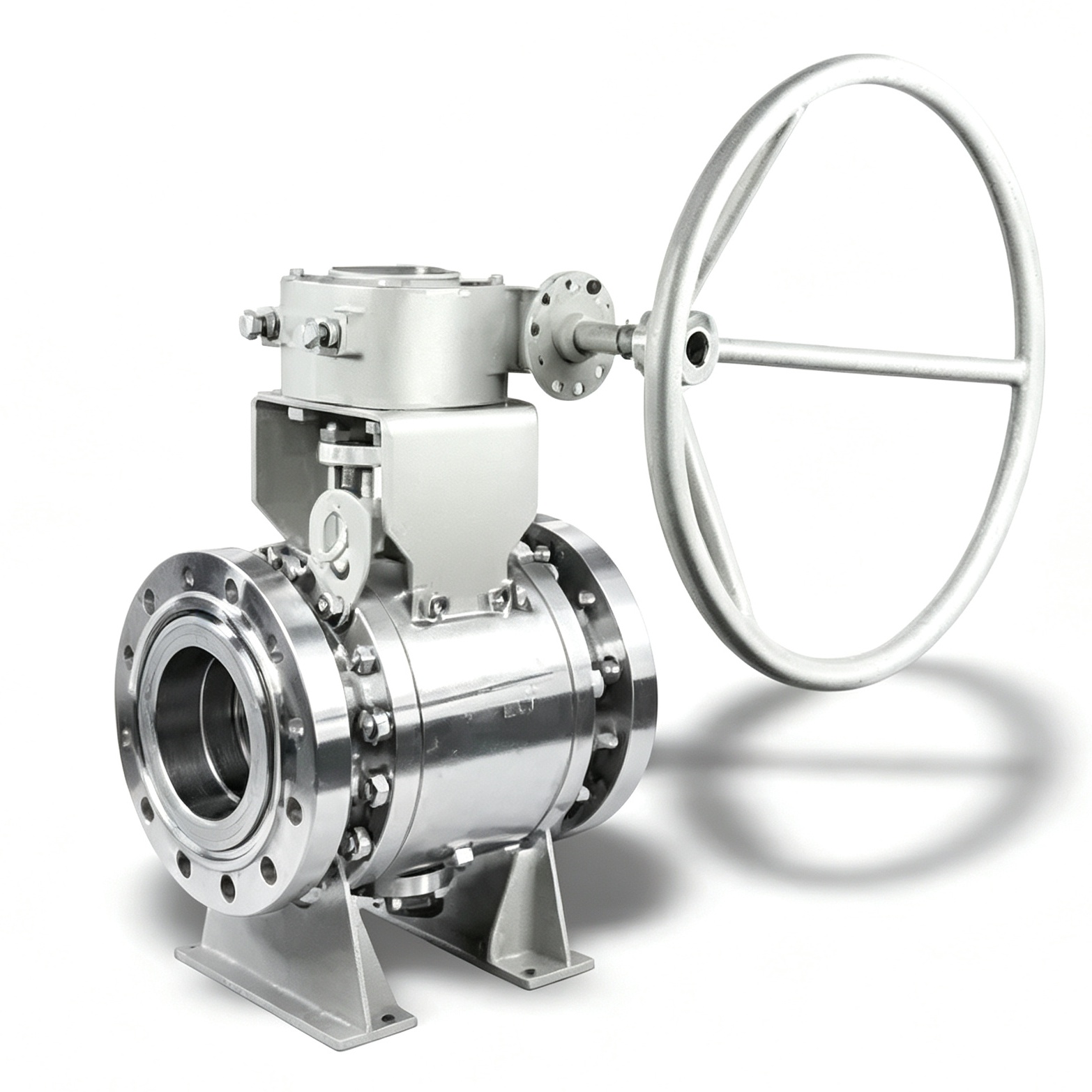
Typical Remote Diagnostic Focus
- difficult operation,
- leakage
- actuator behavior
- abnormal torque
- seat-related symptoms
- incomplete opening or closing
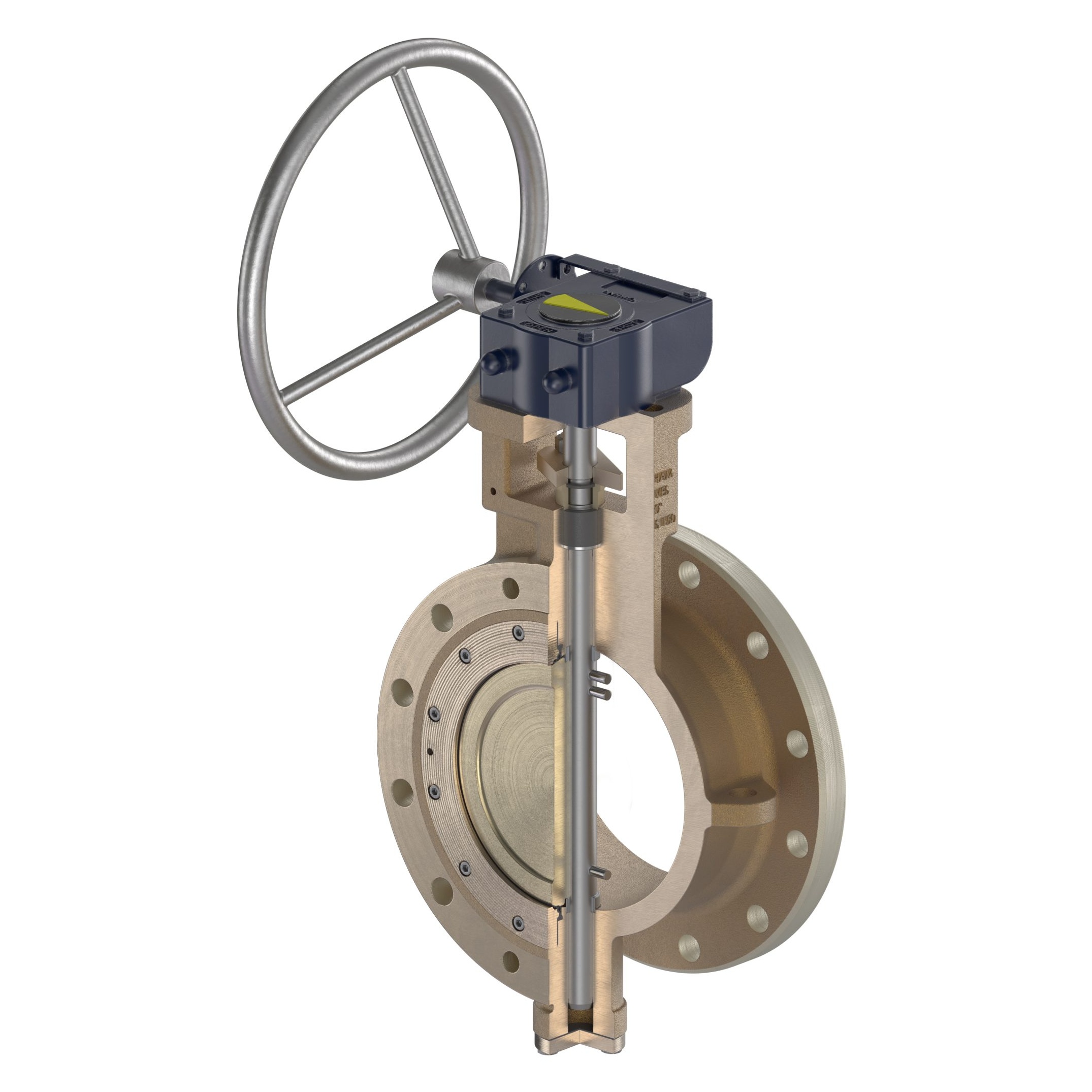
Typical Remote Diagnostic Focus
- disc movement,
- seat interference
- actuator operation
- incomplete travel
- leakage
- installation-related problems
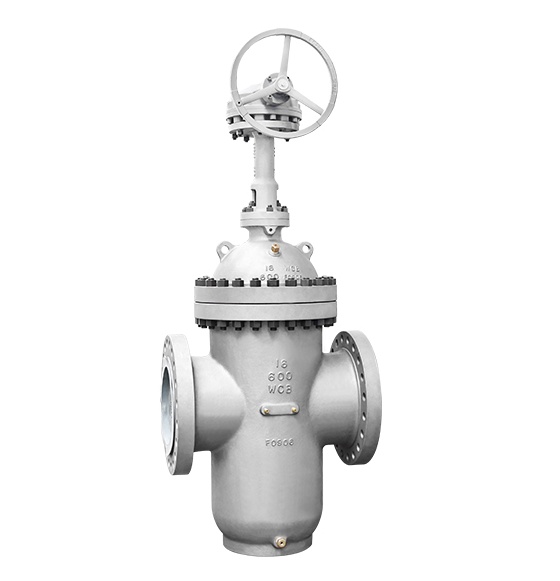
Typical Remote Diagnostic Focus
- difficult opening or closing
- stem movement
- travel problems
- leakage
- actuator or handwheel issues
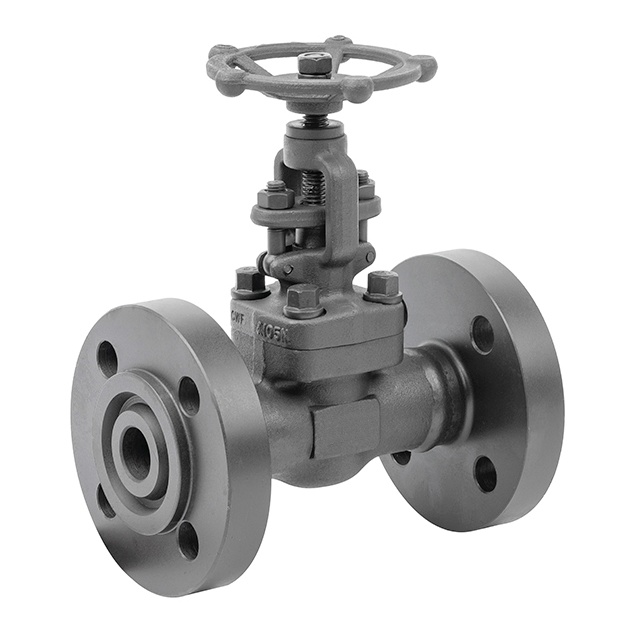
Typical Remote Diagnostic Focus
- operating resistance,
- stem movement
- flow-related symptoms
- leakage
- actuator or manual operation
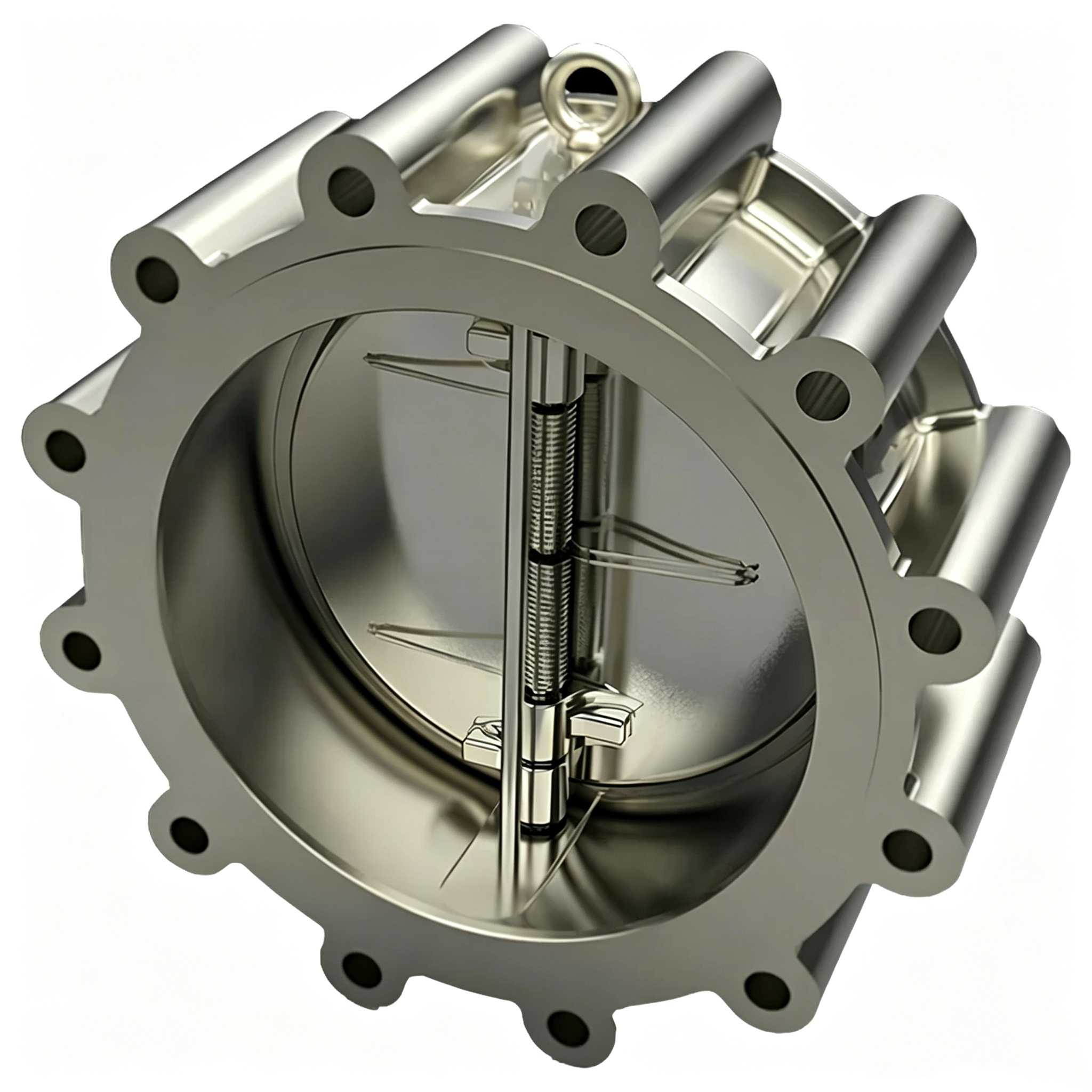
Typical Remote Diagnostic Focus
- abnormal noise
- vibration
- reverse flow
- losing behavior
- installation orientation
- suspected internal problems
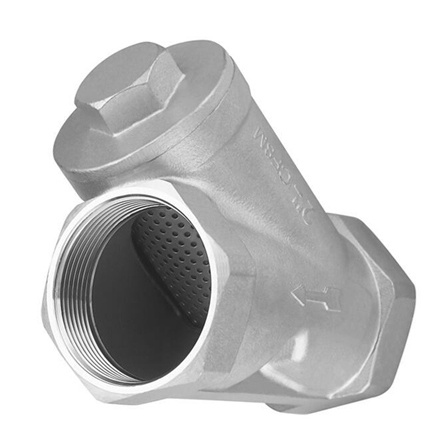
Typical Remote Diagnostic Focus
- excessive pressure drop
- blockage, abnormal flow restriction
- screen condition
- cleaning or maintenance questions
The symptom does not always identify the cause.
A valve that is difficult to operate may have a mechanical, actuator, pressure, installation, or internal-component cause. Remote diagnosis helps narrow down the possibilities before physical intervention.
What Problems Can We Help Diagnose?
| Field Symptom | What We May Review |
|---|---|
| Valve will not open | Actuator output, mechanical resistance, pressure differential, travel limitation, installation conditions |
| Valve will not close | Actuator travel, stem/shaft movement, obstruction, seat-related symptoms, operating conditions |
| Valve is difficult to operate | Torque/resistance, pressure conditions, actuator sizing, stem or shaft condition |
| Valve is leaking | Leakage location, valve position, service conditions, test information, possible sealing issues |
| Actuator does not operate correctly | Air supply, electrical/control information, mounting, travel, output, operating sequence |
| Valve does not reach full travel | Travel setting, actuator movement, mechanical interference, stem/shaft connection |
| Abnormal noise or vibration | Flow conditions, valve position, check-valve behavior, installation conditions, possible internal issues |
| Unexpected pressure drop | Valve position, valve type, flow conditions, blockage, strainer/filter condition |
| Valve behaves differently after installation | Installation orientation, piping alignment, actuator setup, operating conditions |
| Unsure whether the valve needs repair | Available evidence, symptom severity, component condition, possible next diagnostic step |
Remote diagnosis is an assessment process, not a substitute for physical inspection when the available information is insufficient.
What Information Do We Need From You?
The quality of a remote diagnosis depends on the information available from the site. Start with the information you have, and we can identify what additional details are needed.
Valve Identification
Valve type
Size and pressure class
Model or part number
Serial number
Nameplate photo
Operating Conditions
Medium
Pressure
Temperature
Flow conditions
Valve position
Frequency of operation
Technical Documents
Valve drawing
Actuator datasheet
Installation drawing
Previous test reports
Maintenance records
Relevant operating instructions
Visual Evidence
Valve photos
Actuator photos
Connection and mounting photos
Short operating videos
Leakage or abnormal-condition videos where safe to provide
Problem Description
What happened?
When did the problem begin?
Does the problem occur continuously or intermittently?
Did anything change before the problem appeared?
Does the valve still operate partially?
The more specific the symptom, the faster we can narrow the diagnostic path.
Our Remote Diagnostic Process


What Can Remote Technical Support Determine?
| Remote Assessment Can Help With | Physical Inspection May Be Required For |
|---|---|
| Identifying likely causes | Internal component damage |
| Reviewing actuator behavior | Internal seat or disc damage |
| Checking installation conditions | Hidden stem or shaft damage |
| Reviewing operating data | Severe mechanical deformation |
| Assessing possible sizing issues | Internal blockage that cannot be observed |
| Reviewing leakage symptoms | Component wear requiring measurement |
| Determining the next diagnostic step | Conditions requiring disassembly |
| Deciding whether field service may be necessary | Safety-critical physical intervention |
Remote Support vs. Other Technical Services
| Situation | Most Appropriate Service |
|---|---|
| You need help identifying the cause of an operating problem | Remote Technical Support & Diagnostics |
| A new valve needs to be installed and put into operation | Installation & Commissioning |
| A critical valve has an urgent on-site problem | Emergency Field Service |
| A valve needs physical repair or refurbishment | Repair & Overhaul |
| A failed component needs replacement | Spare Parts Supply |
| A legacy valve has no usable drawings or specifications | Reverse Engineering for Legacy Valves |
Frequently Asked Questions
This is actually one of the situations where remote technical support is most useful. You may know that the valve is not operating correctly without knowing whether the problem comes from the valve, actuator, installation, operating conditions, or another part of the system.
For example, a valve that will not fully close could have several possible causes. The problem could involve actuator travel, insufficient actuator output, mechanical interference, stem or shaft movement, pressure conditions, or an internal sealing issue. The visible symptom alone does not necessarily identify the failed component.
We therefore start with the observed behavior. Useful information can include:
- What the valve is supposed to do
- What it actually does
- When the problem occurs
- Whether the problem is continuous or intermittent
- Whether the valve previously operated normally
- Whether anything changed before the problem appeared
- Photos or videos of the valve during operation
- Actuator information
- Pressure, temperature, and medium information
From this information, we can separate the possible causes into different categories and determine which ones can be evaluated remotely. In some cases, the available information may be enough to identify a likely cause. In other cases, we may need additional measurements or observations before reaching a conclusion.
A remote assessment can often narrow the problem down significantly, but internal damage, hidden wear, or other conditions that cannot be observed remotely may require physical inspection. If we determine that the available evidence is insufficient, we will identify what additional information or inspection is needed.
Yes. One useful purpose of remote technical support is to help determine whether further inspection, repair, replacement, or another intervention is appropriate.
A valve should not automatically be replaced simply because it is not operating normally. At the same time, continuing to operate a valve with an unresolved problem may not be appropriate in every application.
The decision depends on the nature of the problem. For example, a valve may have an actuator adjustment issue rather than a damaged valve body. A mounting problem may create abnormal operation even though the valve itself is functional. Conversely, evidence of internal damage may indicate that physical inspection or repair is necessary.
We can review the available evidence and help separate the situation into possible categories:
| Finding | Possible Next Step |
|---|---|
| Operating or setup issue | Adjustment or configuration review |
| Installation-related issue | Installation correction |
| Actuator-related problem | Actuator inspection or service |
| Suspected replaceable component | Spare-parts evaluation |
| Suspected internal valve damage | Physical inspection or repair |
| Serious or safety-critical condition | Stop operation and arrange appropriate inspection/service |
| Insufficient evidence | Additional diagnostic information |
Remote support does not replace a formal engineering assessment where one is required by the application, regulation, or safety procedure. Its value is in helping you make a more informed decision about what should happen next. If repair appears appropriate, the case can move into repair & overhaul. If a specific component needs to be replaced, spare parts supply may be the next step. If the problem requires physical intervention at the site, emergency field service or another field-service arrangement may be more appropriate. This makes remote technical support particularly useful as an early diagnostic stage.
Yes. When a valve is actuated, we can review the valve and actuator as a connected operating system.
Actuator symptoms can sometimes be caused by the valve, while valve symptoms can sometimes originate from the actuator or its setup. For example, if an actuator reaches its command position but the valve does not reach full travel, several possibilities may need to be considered:
- Incorrect actuator travel setting
- Insufficient actuator output
- Incorrect mounting or coupling
- Mechanical interference
- Incorrect valve stem or shaft connection
- Excessive valve operating resistance
- Incorrect rotation direction
- Installation-related problems
The diagnostic approach depends on the valve type. For quarter-turn valves such as ball and butterfly valves, we may focus on actuator output, mounting, coupling, stem/shaft movement, angular travel, and operating torque. For gate or globe valves, the assessment may involve linear or multi-turn movement, stem travel, thrust, actuator configuration, and mechanical alignment.
We do not assume that an actuator is defective simply because the valve does not move correctly. The complete mechanical and operating chain needs to be considered. If the available information suggests that the actuator itself requires service, we can identify that as a separate issue. If the valve requires physical inspection or repair, the case can be escalated accordingly.
Yes. Remote technical support can be particularly useful when the same valve problem occurs repeatedly, either on one valve or across multiple valves from the same order. In these situations, the objective is not simply to provide another temporary troubleshooting step, but to look for patterns that may help explain why the problem keeps returning.
We can review the valve model and configuration, previous troubleshooting records, operating conditions, installation information, maintenance history, photographs or videos, and any changes that occurred before the problem reappeared. Comparing these details can help determine whether recurring symptoms may be associated with valve operation, actuator behavior, installation conditions, maintenance practices, or changes in the actual service environment.
For example, if a valve repeatedly becomes difficult to operate, we may need to consider whether the operating conditions have changed, whether the actuator is functioning as expected, whether the valve is reaching its intended travel, or whether previous corrective actions addressed the underlying issue. Similarly, repeated leakage should not automatically be treated as the same fault every time. The relevant operating conditions and previous inspection or test results may provide important clues about the cause.
When sufficient information is available, we can recommend additional checks that can be performed safely and within your site’s procedures, explain what the results may indicate, and identify the most appropriate next step. Depending on the findings, this may involve continued troubleshooting, replacement of specific parts, valve repair or overhaul, or further technical inspection.
If the recurring problem cannot be reliably identified through remote assessment, we will not treat a preliminary assumption as a confirmed diagnosis. Instead, we can explain what remains uncertain and whether physical inspection, disassembly, repair, or on-site field service is required to establish the cause.
For valves we manufacture and supply, this approach also allows the technical discussion to be connected with the valve’s original configuration and available production information where applicable. The goal is to help you move from repeated symptom handling toward a more informed decision about the underlying problem and the appropriate corrective action.
If the available information is not sufficient to establish the cause reliably, we identify what additional inspection or information is required.
This is an important limitation of any remote technical support process. Some problems can be identified from operating behavior, photographs, videos, drawings, and system information. Other problems depend on conditions that cannot be observed remotely.
For example, internal seat damage, stem deformation, hidden corrosion, internal blockage, or component wear may require physical inspection or disassembly. In such cases, the remote support process can still provide value by narrowing the possible causes and defining what should be inspected.
The next step may include:
- Additional measurements
- Additional photographs or videos
- Actuator data
- Operating-condition verification
- Physical inspection
- Valve disassembly
- Spare-parts identification
- Repair or overhaul
- On-site technical service
The objective is to avoid unnecessary intervention while also avoiding an unsupported conclusion. If the evidence points toward a repair requirement, the case can proceed to repair & overhaul. If a site visit is necessary, it can be escalated to emergency field service or another appropriate field-service arrangement.
For difficult cases, a clear statement of what is known, what remains uncertain, and what needs to be checked next is often more useful than an overly confident diagnosis.
- For standard models, the minimum order quantity (MOQ) is usually 100 pieces per size. For sizes that are in stock, it takes 3 to 5 business days to ship after you place your order. Our usual lead time for making standard catalog valves that aren’t in stock is 15 to 25 business days after we get your order and approve the drawing.
- Custom models (with special materials, pressure classes, actuator mounting, custom logos, etc.): The minimum order quantity (MOQ) varies, so please get in touch with our sales team for a full quote. The lead time is usually 15 to 45 days, depending on how complicated the process is. Also, we offer a mixed-model consolidation service for distributors to help them deal with their inventory problems.
We offer flexible payment terms based on order value and customer history. For standard orders: 30% deposit by T/T (wire transfer) with 70% balance before shipping. For larger or repeat customers, we can consider 20% deposit + 80% balance payment.
Absolutely. For standard ball valves, we can offer off-the-shelf samples of common sizes (1/2″ to 4″) at a discounted price, with a refundable deposit that can be credited toward a future bulk order. For custom or larger sizes, we accept small trial orders (as few as 2–5 pieces) after a non-recurring engineering (NRE) fee is agreed. The NRE fee will be waived once the customer proceeds to a production order of 50 pieces or more.
Our manufacturing facility is certified to ISO 9001:2015 for design, production, and after-sales service of industrial valves. Additionally, we hold ISO 14001:2015 (environmental management) and ISO 45001:2018 (occupational health and safety). All our ball valves for the European market comply with PED 2014/68/EU, and we can supply valves with ATEX certification for explosive atmospheres upon request. Our quality system is audited annually by third-party notified bodies.
| Stage | Procedure | Description |
|---|---|---|
| Before Production | PMI (Positive Material Identification) test | Raw material verification |
| In-Production | Dimensional checks | At critical machining stages |
| Post-Production | High-pressure hydrostatic shell test (1.5× rated pressure) Low-pressure air seat test (0.6 MPa) to verify shut-off Optional tests: helium leak test (ISO 15848), fire-safe test, or cryogenic test | Final assembly testing |
| Quality Inspection | Marking verification, coating/painting thickness measurement, and preparation of traceable test reports | Visual & documentary check |
All test records are archived for a minimum of 10 years and can be provided with each shipment. Or you can specify any third-party test institutions.